
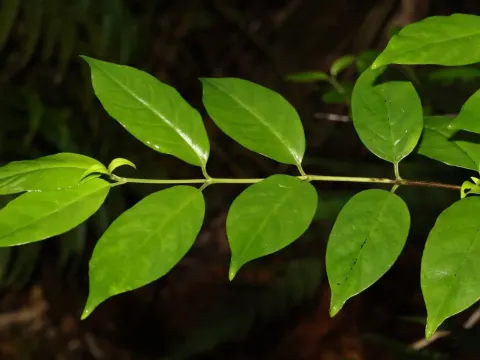
Geniostoma
Geniostoma
Geniostoma is a genus primarily cultivated for ornamental purposes rather than intensive agricultural production, often propagated via cuttings.
What the section contains


Geniostoma
For successful propagation, semi-hardwood cuttings should be taken during the active growth phase, ensuring high humidity levels in a nursery environment.
Seed germination requires fresh seeds sown in a light, sterile medium, kept at a constant temperature to simulate the tropical climate of their origin.
Timing the sowing process is crucial; spring provides the optimal balance of light and natural warmth necessary for rapid seedling development.
Once established, young plants should be gradually acclimatized to environmental conditions before being moved to their permanent location.
Belonging to the Loganiaceae family, Geniostoma species are native to tropical and subtropical regions of the Pacific, Asia, and Madagascar.
These plants thrive in well-drained, fertile soil with a neutral to slightly acidic pH, mirroring the rich forest soils of their natural habitat.
They require significant indirect light; direct sunlight may scorch the foliage, while deep shade will cause the plant to become leggy and weak.
Regular watering is essential, but the substrate must never be allowed to remain waterlogged, as this poses a significant risk to the roots.
Humidity management is vital, as these plants do not tolerate dry, stagnant air conditions typical of many indoor environments during winter.
Common pests affecting Geniostoma include scale insects and spider mites, which can cause severe damage to the foliage if left uncontrolled.
Fungal pathogens represent a major threat, particularly leaf spot diseases that spread rapidly under conditions of poor ventilation and high moisture.
Root rot is the most common physiological disorder caused by overwatering or poorly draining soil, often leading to rapid plant decline.
Aphids can also be problematic in the spring, feeding on the tender young leaves and potentially spreading viral infections between plants.
Integrated pest management, including regular inspection and the use of targeted biological controls, is highly recommended for maintaining plant health.