
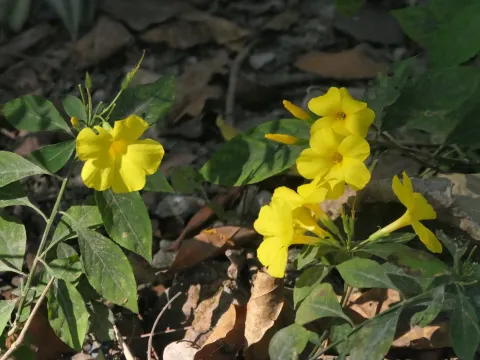
Yellow flax
Reinwardtia indica
Reinwardtia indica, commonly referred to as Yellow flax, is a member of the Linaceae family. This evergreen shrub originates from the Himalayan foothills and thrives in subtropical climates.
What the section contains
Yellow flax
The plant requires well-draining, nutrient-rich soil to perform at its best. A soil pH ranging from slightly acidic to neutral is ideal for promoting healthy root development and efficient nutrient uptake.
Bright, indirect sunlight is essential for maintaining foliage density and promoting abundant flowering. Exposure to extreme midday heat should be avoided to prevent thermal stress on the plant leaves.
Temperature management is critical; Reinwardtia is not frost-tolerant. In many regions, it is cultivated primarily as a greenhouse plant or an indoor ornamental shrub to ensure it survives the winter season.
Regular watering is required during the growing season, although the substrate should be allowed to dry slightly between irrigation cycles. Pruning after the blooming period helps maintain the desired shape and encourages bushiness.
Spider mites represent a primary threat to Reinwardtia indica, especially in indoor environments where low humidity levels favor their rapid reproduction.
Fungal infections, such as gray mold (Botrytis), often emerge when environmental conditions include poor air circulation and excessive moisture on the plant foliage.
Effective management requires the application of appropriate acaricides and fungicides when early signs of infestation or disease symptoms are first detected.
Implementing good horticultural practices, such as proper spacing and consistent monitoring, can significantly reduce the pressure from various plant pests.
Maintaining a stable environment with moderate humidity and good airflow is the most effective preventative strategy against typical agricultural diseases of this species.