
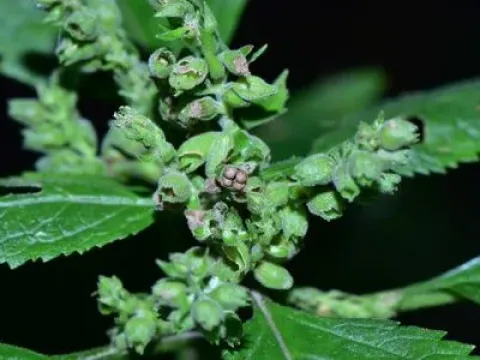
Teucrium stoloniferum
Teucrium stoloniferum
Teucrium stoloniferum is a perennial herbaceous plant belonging to the Lamiaceae family. It is distinct for its stoloniferous growth habit, which allows the plant to form dense clusters and effectively colonize space in its native habitats.
What the section contains
Teucrium stoloniferum
This crop thrives in temperate climates, requiring well-lit areas to optimize its growth cycles. It is highly adaptable to various light exposures, although consistent sunlight during the active vegetation season significantly enhances its biomass production and metabolic activity.
The plant prefers well-drained soils, ideally sandy loams or light loams with a neutral pH level. Proper soil preparation is crucial as the species is sensitive to waterlogging, which can compromise the stolons and lead to plant decline.
Botanical traits include pubescent stems and simple, opposite leaves that contribute to the plant's overall resilience. During the flowering period, it produces specific inflorescences that are highly attractive to pollinators, marking a key stage in its lifecycle.
In terms of usage, the crop is valued both in herbal medicine and as a groundcover in managed landscapes. Its ability to spread makes it a candidate for soil stabilization projects as well as a source of botanical extracts for industry.
The primary threats to Teucrium stoloniferum plantations are fungal pathogens, specifically those triggered by high humidity levels and poor ventilation. Root rot is a common issue in poorly drained fields, causing significant losses.
Pests such as aphids and spider mites can cause damage to the leaves and new growth. Infestations often occur in dense plantings where the microclimate facilitates the rapid reproduction of these harmful insects.
Agricultural management must include consistent weeding and aeration of the soil to reduce environmental stress. These practices are fundamental to keeping the plants healthy and ensuring they can withstand occasional pest pressure.
Effective pest management involves integrated control strategies, favoring bio-pesticides when possible to maintain product quality. Preventive measures, such as monitoring the planting density, are essential to avoid the buildup of pathogens.
Regular field scouting is recommended to identify signs of stress or infection early. Prompt intervention with approved agricultural treatments is necessary to prevent the spread of disease across the entire cultivation area.