
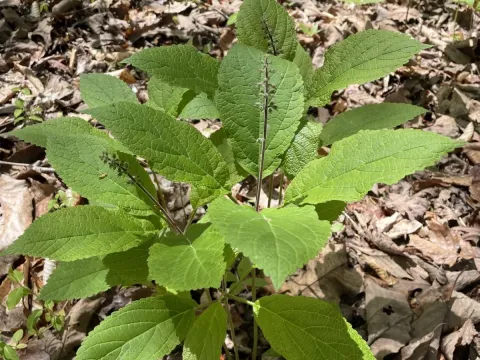
Keiskea
Keiskea
Keiskea is a genus of perennial herbaceous plants belonging to the Lamiaceae family. These plants are primarily native to East Asia, thriving in temperate forest environments where moisture levels are consistent.
What the section contains

Keiskea
The botanical characteristics of Keiskea include aromatic foliage and specialized floral structures adapted for specific pollinators. The plant typically grows in shaded or semi-shaded areas, which is a key requirement for successful cultivation.
Soil requirements for Keiskea are centered around high organic content and excellent drainage. The plant prefers neutral to slightly acidic soil conditions and does not tolerate waterlogged ground, which can cause root damage.
Agrotechnical management involves careful water control and mulching to keep the root zone cool and hydrated. During the active growth phase, supplemental organic fertilization helps in maximizing the biomass of the aromatic leaves.
In terms of хозяйственное (economic) use, Keiskea is valued for its pharmacological potential. Research into its secondary metabolites suggests strong antioxidant properties, making it a promising crop for sustainable herbal medicine production.
The primary threats to Keiskea crops involve fungal pathogens, particularly root rot, which is triggered by excessive irrigation or poor ventilation. Powdery mildew can also occur if humidity levels remain stagnant.
Pest pressure is mainly attributed to slugs and snails that favor the succulent leaves of the plant. Aphids can also cause stress to the plant during the early stages of spring growth if not monitored closely.
Cultural control measures, such as proper spacing between rows, are essential to maintain air circulation. This physical barrier to disease spread is often more effective than chemical treatments for this delicate plant.
Integrated Pest Management (IPM) strategies are recommended to keep the crop healthy. This includes using biological agents to control aphids and manual traps for slugs, ensuring the medicinal quality of the final product.
Regular sanitation of the planting area is crucial. Removing leaf litter and infected plant material at the end of the season prevents the overwintering of pathogens and ensures a healthy restart for the next growth cycle.