
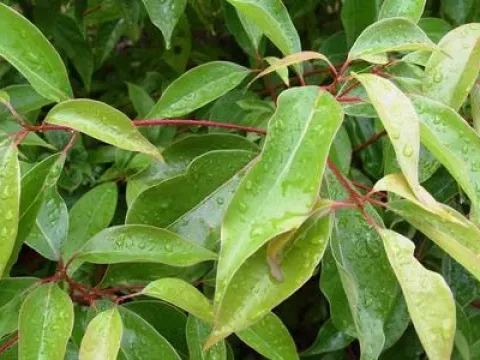
Kilimanjaro basil
Ocimum kilimandscharicum
Kilimanjaro basil is a perennial subshrub that is typically cultivated as an annual crop in temperate regions. Seeds should be started indoors in trays or pots approximately 6–8 weeks before the anticipated final spring frost date.
What the section contains
Kilimanjaro basil
Sow seeds into a well-draining, sterile potting mix, covering them lightly with soil. Maintain a steady temperature of 20–25 degrees Celsius and keep the growing medium moist to ensure uniform germination.
Once seedlings develop two sets of true leaves, they should be transplanted into individual containers. This process encourages the development of a robust root system, which is crucial for the plant's subsequent vigor in the field.
Hardening off the seedlings is essential before transplanting into the garden. Gradually expose the plants to outdoor conditions over a two-week period to minimize transplant shock and improve environmental resistance.
Direct sowing in open fields is feasible in regions with a long, frost-free growing season. However, transplanting remains the preferred method for commercial production to ensure uniform crop maturity and higher biomass yields.
Native to the regions around Mount Kilimanjaro, this species requires high levels of solar radiation and warmth. It is highly sensitive to cold; even minor frost exposure can cause severe damage or immediate death of the plant.
The ideal soil type is fertile, sandy loam with good aeration and a neutral pH level. Proper drainage is the most critical requirement, as the root system is highly susceptible to rot in waterlogged conditions.
Watering must be managed carefully. While the crop requires consistent moisture for foliage development, allowing the soil to dry slightly between waterings helps to stimulate the production of secondary metabolites, including camphor.
Nutrient management involves balanced fertilization. An excess of nitrogen-based fertilizers can lead to lush vegetative growth but may decrease the concentration of essential oils in the leaves.
Spacing is vital for airflow; planting at 30–40 cm intervals ensures proper ventilation throughout the canopy. This reduces the risk of fungal diseases and promotes even exposure to sunlight for all parts of the plant.
Kilimanjaro basil is primarily cultivated for its high camphor content and essential oil yield. The biomass yield per hectare is significantly influenced by the intensity of sun exposure and soil fertility.
The plant demonstrates a remarkable capacity for regrowth after harvest. By pruning the upper branches regularly, growers can maintain a continuous supply of fresh foliage throughout the peak summer months.
For essential oil production, the optimal harvest time occurs during the mass flowering stage, when the concentration of aromatic compounds in the leaves and stems is at its highest point.
In well-managed fields, multiple cuttings per season are standard practice. Each harvest acts as a stimulant for lateral branching, which increases the total seasonal biomass significantly compared to a single harvest approach.
Marketable yields depend on the post-harvest processing efficiency. Proper handling immediately after cutting ensures that the volatile oils remain trapped within the leaf tissue, maintaining the quality required for industrial distillation.
The most common disease impacting this crop is Fusarium wilt, which thrives in warm, moist soil conditions. Symptoms include sudden wilting of the foliage, often starting from the lower leaves and progressing upward.
Damping-off represents a major threat during the seedling stage. Using sterilized growing media and ensuring good air circulation in the greenhouse are primary preventative measures to manage this risk.
Pests such as spider mites and aphids are frequently found on the undersides of leaves. These insects weaken the plant by extracting cell sap, which can stunt growth and provide entry points for secondary infections.
Root-knot nematodes can also be an issue in certain soil types. Crop rotation, specifically avoiding planting other Lamiaceae family members in the same spot for several years, is essential for long-term field health.
Environmental stress, particularly prolonged cloudy and wet weather, predisposes the plants to various leaf spot diseases. Keeping the plants healthy with balanced nutrition is the best defense against minor pathogen outbreaks.
Harvesting should ideally be conducted on dry, sunny mornings. Harvesting when the plants are dry reduces the risk of fungal contamination during the drying or distillation processes.
The method of harvest depends on the end use. For fresh market sales, manual picking of the terminal shoots is preferred to ensure a high-quality product without crushing or bruising the foliage.
For industrial use, mechanical harvesting of the upper 15–20 cm of the plant is standard. It is critical to leave enough foliage and nodes to allow for rapid recovery and subsequent growth cycles.
Drying the collected material must be performed in a cool, well-ventilated area protected from direct sunlight. This preserves the aromatic profile and prevents the oxidative degradation of the essential oils.
Storage of dried material requires airtight containers to maintain freshness. Even after drying, the material can hold its scent and potency for a significant time if kept away from humidity and high temperatures.