
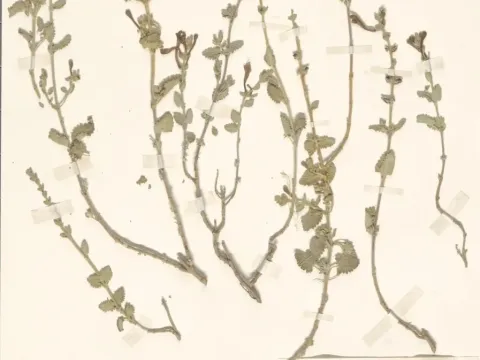
Scutellaria tomentosa
Scutellaria tomentosa
The planting of Scutellaria tomentosa is typically scheduled for early spring, once soil temperatures reach a consistent 8-10°C. Alternatively, sowing can be performed in late autumn, which allows seeds to undergo natural stratification, often resulting in more uniform germination during the following season.
What the section contains
Scutellaria tomentosa
Due to the small size of the seeds, planting depth should be strictly controlled at 1-1.5 cm to ensure proper germination. Maintaining consistent soil moisture is crucial during the first two to three weeks of emergence, necessitating light irrigation if natural rainfall is insufficient.
In industrial settings, row planting is the preferred method, with row spacing maintained between 45 and 60 cm. This configuration facilitates essential inter-row cultivation, helps in weed suppression, and provides each plant with adequate space for root system development.
Scutellaria is a perennial plant, which means its development during the first year is focused on establishing a healthy basal rosette. During this initial phase, the plants are particularly vulnerable to competition from weeds; therefore, manual or mechanical weeding is highly recommended.
For more predictable crop density, many growers utilize a seedling-based approach. By starting seeds in trays during late winter, growers can transplant vigorous, established seedlings into the field as soon as frost risks pass, giving the crop a head start on the growing season.
As a member of the Lamiaceae family, Scutellaria tomentosa is a sun-loving plant that demands open, well-lit areas to flourish. Shaded sites typically result in leggy plants with lower concentrations of essential bioactive compounds, which are vital for its medicinal utility.
The species prefers light, well-drained soil types, such as sandy loams or loamy soils with neutral to slightly acidic pH levels. Soils prone to waterlogging must be avoided, as the root system of Scutellaria is highly susceptible to rot when exposed to stagnant moisture conditions.
While the plant exhibits moderate drought tolerance once fully established, regular irrigation during the growing season—especially during the budding and flowering stages—is necessary for achieving high biomass yields. Proper moisture management is the key to both plant health and product quality.
Optimal growth temperatures for Scutellaria tomentosa range from 18°C to 25°C. The species is quite hardy, capable of surviving cold winter temperatures when protected by a snow cover or natural mulch, making it suitable for temperate agricultural regions.
Balanced fertilization is vital for optimal development. Nitrogen-rich applications are beneficial early in the season to encourage leafy growth, while phosphorus and potassium are essential prior to flowering to support systemic health and improve the chemical profile of the harvested raw material.
Crop yields for Scutellaria tomentosa depend heavily on the maturity of the plantation. The biomass potential increases significantly from the second year onward, once the plant has fully developed its perennial root network and established a robust above-ground framework.
Under good management, dry herb yields typically range from 1.5 to 2.5 metric tons per hectare. Factors such as site selection, the consistency of water supply, and the effectiveness of weed control programs directly correlate with the final weight of the dried harvest.
Root harvesting, though less frequent because it requires ending the plantation cycle, can produce approximately 1 to 1.2 metric tons of dried material per hectare. Growers often plan their harvesting cycle to capitalize on both herbal biomass and root material over a 5-year period.
Productivity is strictly tied to the timing of agricultural interventions. Regular soil aeration between rows prevents compaction and ensures that the roots receive sufficient oxygen, which is a major factor in sustaining healthy growth rates throughout the plant's life cycle.
High-quality yields are essentially maintained through precise drying techniques. The harvested material should be processed in controlled environments at temperatures not exceeding 45°C to ensure the preservation of flavonoids and other secondary metabolites required by the pharmaceutical industry.
The most common threats to Scutellaria tomentosa are fungal infections, particularly those triggered by excessive humidity or poor ventilation within the plant canopy. Powdery mildew, characterized by a white, dusty fungal growth on leaves, is a recurrent issue in high-density plantings.
Root rot remains a severe threat in poorly drained soils. The disease manifests as wilting and yellowing of the foliage, often leading to rapid plant death. Once a patch is infected, it is difficult to remediate, underscoring the importance of preventative soil management.
Insect pests such as aphids and spider mites can cause significant economic loss, especially during hot, dry summer months. These pests suck the sap from tender shoots, causing leaf curling and reduced photosynthesis, which translates to a lower-quality harvest.
Soil-dwelling pests like wireworms can cause damage by feeding on roots, particularly in younger plantations. An integrated pest management (IPM) strategy that includes crop rotation is the most effective way to minimize these threats without relying exclusively on chemical treatments.
Sanitation is a critical preventive measure. Prompt removal of crop residues post-harvest and maintaining proper spacing between rows are essential steps to reduce the inoculum load and prevent the spread of diseases from one season to the next.
The optimal time for harvesting the aerial parts of Scutellaria tomentosa is during the peak flowering stage. This is when the plant's metabolic activity is focused on producing high levels of phytochemicals, ensuring that the raw material meets professional quality standards.
Harvesting is usually done mechanically using mowers set to a cutting height of 10-15 cm. Maintaining this height is vital, as it preserves the basal buds necessary for the plant's winter survival and regrowth in the subsequent spring season.
Post-harvest logistics are important; the raw material should be moved to the drying facility immediately to prevent heat buildup and degradation. Exposure to direct sunlight for extended periods after cutting should be avoided, as it leads to quality loss and undesirable darkening of the leaves.
Root harvesting is performed in the autumn after the plant has entered dormancy. The process involves mechanical lifting, followed by meticulous cleaning and washing to remove all soil residues before the roots are transferred to drying chambers.
Finally, the dried raw material undergoes sorting and packaging to ensure it remains free from contaminants. Proper storage in cool, dry, and dark conditions will preserve the potency and therapeutic effectiveness of the Scutellaria raw material for two or more years.