
Scutellaria subvelutina
Scutellaria subvelutina
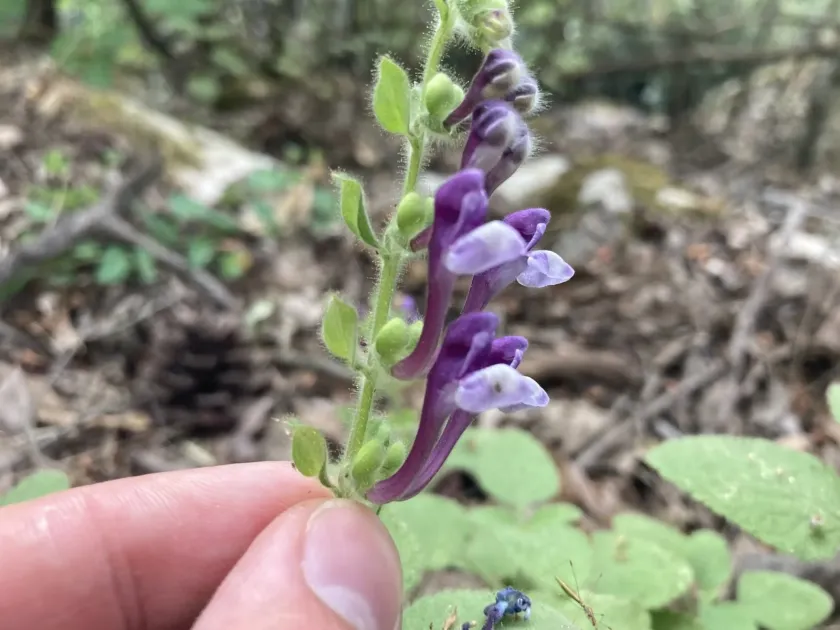
Description
Growing requirements
Scutellaria subvelutina is a perennial herbaceous plant belonging to the Lamiaceae family. The plant is distinguished by its unique velvety pubescence on the foliage and stems, which is characteristic of the species' taxonomy.
This species naturally inhabits rocky or mountain terrain, necessitating well-drained, porous soils for successful cultivation. It thrives in environments with high light intensity and moderate temperature fluctuations.
Agricultural success depends on mimicking the plant's native habitat. The ideal soil should be neutral to slightly alkaline, ensuring that moisture does not accumulate around the crown of the plant to prevent rot.
The plant is considered a hardy crop, capable of surviving temperature drops if the substrate remains dry. It requires open spaces to ensure good air circulation, which helps maintain plant health.
Economically, Scutellaria species are widely studied for their bioactive compounds, primarily flavonoids and scutellarin, making this species a subject of interest for the pharmaceutical industry.
Main diseases and pests
The primary threat to Scutellaria subvelutina cultivation is root rot, typically caused by overwatering or poor soil drainage. Maintaining a strict irrigation schedule is essential for disease prevention.
Pests such as aphids and spider mites can infest the crop, especially during hot and dry spells. Integrated pest management techniques should be employed to mitigate these risks effectively.
Powdery mildew may occur if planting density is too high or if air humidity levels remain consistently excessive. Proper spacing is mandatory to facilitate the evaporation of excess surface moisture.
Weed control is critical during the initial growth stages, as young plants compete poorly with aggressive wild grasses. Manual or mechanical hoeing is the preferred method for weed management.
Soil-borne larvae and nematodes can impact root health, potentially leading to stunted plant growth. Monitoring soil condition and using certified planting material are key preventive steps for every grower.