
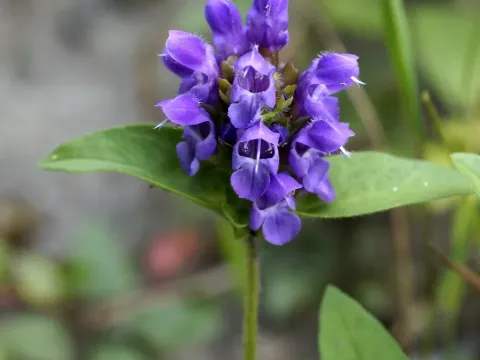
Self-heal
Prunella L.
Seeds of self-heal (Prunella) are sown outdoors primarily in spring, once the soil warms up to 10-15 degrees, or in autumn for winter stratification. Seeds require a cold treatment period for about a month to improve germination rates when sown in spring.
What the section contains


Self-heal
For seedling production, seeds are sown in trays in March, covered with a thin layer of substrate no deeper than 0.5 cm. The optimal germination temperature indoors is approximately 20 degrees with consistent soil moisture.
Seedlings emerge within 2-3 weeks, provided they receive sufficient light. It is crucial to maintain moisture in the top layer of the soil, as young plants are highly sensitive to drought during their initial growth stages.
Pricking out the seedlings into individual pots is performed upon the development of two true leaves to encourage robust root system formation. Hardened seedlings are transplanted to their permanent locations in late May or early June.
When cultivating on a larger scale, a planting density of 9–12 plants per square meter is recommended to ensure adequate nutrition and air circulation between the plants.
Self-heal belongs to the Lamiaceae family and is a resilient perennial with high ecological adaptability. It thrives in both full sun and partial shade, making it a versatile plant for various types of soil and garden environments.
The crop prefers moist, fertile loam with a neutral to slightly acidic pH. A critical requirement for healthy development is consistent moisture, as the plant does not tolerate prolonged dry spells well.
In its natural habitat, Prunella is often found along riverbanks, in damp meadows, and forest clearings, which explains its preference for nutrient-rich, organic soil. It responds well to the incorporation of compost or well-rotted manure during site preparation.
Agronomic care includes regular weeding, as the plant can be outcompeted by aggressive weeds in the early stages of establishment. Hilling and mulching help retain soil moisture and protect the root crown from overheating during summer heatwaves.
During winter, self-heal demonstrates excellent cold hardiness and does not require specific protection in most temperate climates. Spring maintenance involves trimming back dead foliage to stimulate fresh, new growth.
The economic value of self-heal lies in the production of medicinal raw materials, which are harvested during the peak flowering phase. Yields of green biomass can reach 1.5–2 tons per hectare under optimal agronomic conditions.
To maximize the harvest, it is recommended to cut the aerial parts of the plant at a height of 5–10 cm above the ground. In favorable conditions, the plant may produce a second flowering flush and a second harvest within the same growing season.
Plant density is a key factor influencing output. The application of balanced nitrogen-phosphorus fertilizers during the budding stage significantly enhances biomass and the concentration of bioactive secondary metabolites.
Drying of the harvested material is conducted in shaded, well-ventilated areas or in specialized drying chambers at temperatures not exceeding 40 degrees. Maintaining strict temperature control is essential to preserve the medicinal properties and essential oils.
Self-heal reaches stable yields in its second or third year after planting, once the clumps have fully expanded to form a dense groundcover.
Self-heal shows high resistance to most diseases typical for the Lamiaceae family. However, in cases of excessive waterlogging or poor aeration, powdery mildew can occur, manifesting as a white fungal layer on the leaves.
Pests rarely cause critical damage, but in some years, aphid infestations may occur, targeting the succulent flower buds. Controlling these using organic sprays, such as garlic or soap-based solutions, is recommended.
Root rot may develop if water stagnates in heavy soils. Prevention relies on proper drainage and a irrigation regime that avoids keeping the roots in permanently soggy conditions.
Slugs can be a threat to young seedlings in spring, feeding on the tender foliage. Employing physical barriers or natural traps helps manage mollusk populations effectively without the need for toxic pesticides.
Regular monitoring of the plots and maintaining good agricultural practices serve as the best defense against infections and harmful insects.
The harvesting of medicinal raw materials occurs between June and August, during full bloom. At this stage, the concentration of flavonoids and tannins in the plant material reaches its biological peak.
Stem cutting is performed using sharp gardening tools, taking care not to disturb the root system. It is important to harvest during dry weather after the dew has evaporated to prevent quality loss during storage.
When grown for ornamental or groundcover purposes, harvest consists of trimming off the flower spikes once blooming ceases. This prevents unwanted self-seeding and keeps the plantings looking neat.
For seed production, selected healthy plants are left uncut. Once the flower heads turn brown, they are carefully harvested, dried in a cool place, and threshed to obtain seeds for the next season.
Post-harvest, it is advisable to clear the area of plant debris to prevent the accumulation of pathogens and to facilitate a clean dormancy period for the overwintering leaf rosettes.