
Scutellaria strigillosa
Scutellaria strigillosa
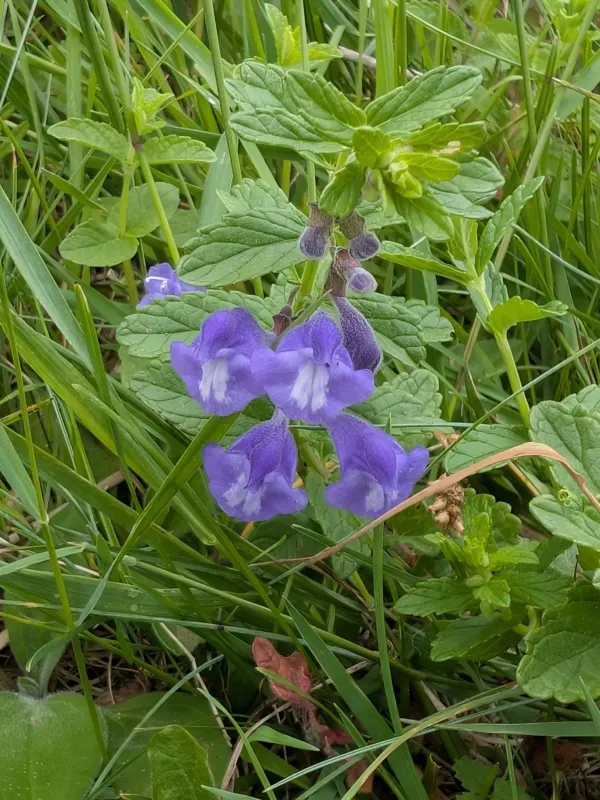
Description
Sowing dates
Scutellaria strigillosa is a hardy perennial belonging to the Lamiaceae family, known for its significant potential in traditional medicine and pharmaceutical applications.
Seed propagation is the most common method, requiring careful preparation of the soil bed, which should be fine-textured to ensure optimal germination rates.
Sowing is best performed in early spring or late autumn, allowing the seeds to undergo natural stratification if the temperatures remain low enough during the process.
The seeds should be sown shallowly, as they are photoblastic and require a small amount of light to trigger the physiological processes of sprouting.
Adequate moisture must be maintained during the first few weeks after sowing to prevent the seedlings from drying out before establishing a strong root system.
Growing requirements
This crop thrives in sunny locations but can adapt to partial shade, which is particularly beneficial in hot climates to protect the leaves from scorching.
The soil must be well-drained, fertile, and slightly acidic to neutral in reaction; waterlogged sites are strictly unsuitable and lead to rapid plant decay.
Regular cultivation of the rows is essential to suppress weeds and improve soil aeration, which directly influences the overall health and vigor of the plants.
While the plant is relatively drought-tolerant once established, supplemental irrigation during the peak growing season significantly improves biomass production.
Soil nutrient management should focus on balanced organic fertilization, which supports root development and increases the concentration of flavonoids in the plant tissue.
Yield
The economic value of Scutellaria strigillosa is driven by its harvestable aerial parts and roots, both containing unique secondary metabolites used in health supplements.
Under optimal conditions, farmers can achieve yields of approximately 1.5–2 metric tons of dried material per hectare, depending on the age of the plantation.
Root harvesting is typically deferred until the third year, when the plant has developed a substantial root biomass, ensuring a high-quality product for processing.
Systematic field management, including timely weeding and nutrient application, allows for a stable annual harvest for at least four to five production cycles.
Post-harvest logistics, including immediate drying and secure storage, are critical to maintaining the medicinal integrity of the raw material before market distribution.
Main diseases and pests
The primary threats to Scutellaria crops are soil-borne pathogens, particularly fungi such as Fusarium, which can cause significant wilting and root destruction.
Insect pests, including aphids and spider mites, often target the tender shoots during dry spells, potentially reducing the plant's photosynthetic capacity.
Integrated pest management (IPM) strategies, including biological control agents and crop rotation, are recommended to maintain a healthy plantation ecosystem.
Removing plant debris after the harvest season is a vital sanitation practice to break the life cycle of overwintering pests and fungal spores in the field.
Frequent monitoring of the canopy allows for early detection of issues, preventing the need for broad-spectrum chemical interventions that could harm quality.
Harvesting
The harvest of the aerial parts is strictly timed with the peak of the flowering stage, ensuring the highest secondary metabolite content for herbal extraction.
Mechanical harvesting equipment should be calibrated to avoid damaging the crown of the plant, especially if the plantation is intended for multi-year usage.
Once gathered, the biomass should be processed immediately by transporting it to drying facilities to prevent heat buildup and the loss of essential volatile oils.
Drying is performed using climate-controlled forced-air systems to maintain a temperature below 45 degrees Celsius, which preserves the plant's active compounds.
Finished dried products must be stored in light-protected, moisture-proof containers to preserve their potency and ensure longevity before shipment to manufacturers.