
Scutellaria supina
Scutellaria supina
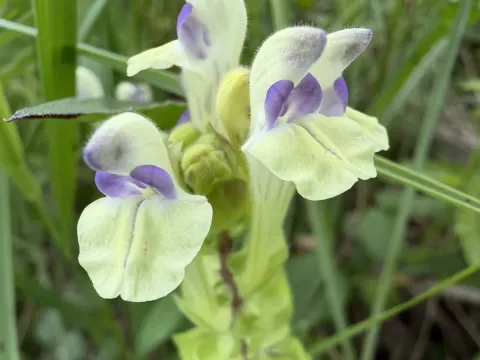
Scutellaria supina is a perennial herbaceous plant belonging to the Lamiaceae family. Native to the steppe zones and rocky habitats of Eurasia, this species has evolved to thrive in environments with significant temperature fluctuations and low humidity.
What the section contains
Scutellaria supina
The plant is characterized by its prostrate or ascending stems and distinctive two-lipped blue-violet flowers. Its foliage is typically narrow and lanceolate, adapted to minimize transpiration, which makes the plant a drought-resistant choice for specific climates.
Regarding climate, Scutellaria supina is highly photophilous and requires full sun exposure to maintain its vigor and biochemical profile. It exhibits excellent winter hardiness, making it suitable for regions with harsh, continental winters and distinct seasonal dormancy.
Soil conditions are critical for successful cultivation; the plant prefers well-drained, nutrient-poor, alkaline, or neutral soils. It is particularly sensitive to waterlogging, so planting on elevated slopes or beds with coarse substrate is highly recommended to ensure root health.
The primary economic use of this plant is found in the pharmaceutical industry. The herb is harvested for its therapeutic compounds, particularly flavonoids, which are utilized in the formulation of natural sedatives and treatments for cardiovascular conditions.
The primary threats to cultivation involve soil-borne pathogens, specifically root rot fungi, which thrive in poorly drained environments. Proper soil aeration and strict irrigation management are essential to prevent the spread of fungal diseases within the field.
Insect pests such as aphids or spider mites may occasionally infest the plants, particularly during dry seasons. An integrated pest management approach, emphasizing biological controls, is suggested to preserve the quality of the harvested medicinal raw material.