
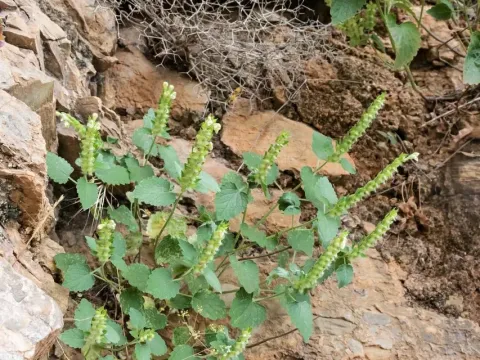
Scutellaria sieberi
Scutellaria sieberi
Scutellaria sieberi is a perennial herbaceous plant belonging to the Lamiaceae family. Sowing is typically performed in late autumn or early spring, provided that the seeds have undergone a proper stratification process to ensure optimal germination.
What the section contains
Scutellaria sieberi
For best results, seeds should be sown in prepared seedbeds with high moisture retention. Given their small size, they require shallow placement to receive enough light, which is crucial for triggering the germination process.
During the first year, the plant focuses on establishing a strong root system and a rosette of leaves. Seedlings grow slowly, making the management of weeds during this initial phase absolutely essential for field success.
As the plant progresses into subsequent years, it develops a more robust structure. Proper plant spacing is required to ensure adequate airflow and nutrient access, allowing the roots to reach their full potential.
Regular monitoring of field conditions during the establishment year is recommended to identify any early signs of poor germination or seedling failure, allowing for quick remedial action.
This crop performs best in well-drained, fertile soil, preferably sandy loam or loamy types. Waterlogged soils must be avoided, as the roots are highly susceptible to rot under conditions of poor drainage.
Scutellaria sieberi demonstrates significant adaptability to various climates within the temperate zone. It is capable of withstanding both moderate heat and typical winter frost levels, making it a reliable crop for many regions.
Soil pH should ideally range between 6.0 and 7.0 for optimal nutrient availability. Incorporating balanced fertilizers, particularly those rich in phosphorus and potassium, encourages stronger root growth.
Field maintenance includes consistent inter-row cultivation to maintain soil aeration and prevent compaction. This practice significantly improves the physiological development of the underground biomass.
While the plant is moderately drought-tolerant once established, supplemental irrigation during extreme dry spells in mid-summer helps maintain yield quality and prevents the leaves from premature senescence.
The primary economic focus of Scutellaria sieberi production is the harvesting of roots and rhizomes. These parts are valued for their rich profile of bioactive flavonoids, such as baicalin, used in modern pharmacology.
Harvesting for maximum yield typically occurs in the third or fourth year of growth. By this stage, the roots have attained sufficient size and the concentration of active medicinal compounds is at its peak.
Efficiency in harvesting involves professional cleaning and processing of the raw material. Removing soil and mechanical debris is vital to ensure that the final product meets pharmaceutical manufacturing standards.
Applications for this crop are diverse, including the production of sedative, anti-inflammatory, and antihypertensive agents. This medicinal demand makes the cultivation of Scutellaria sieberi a high-value agricultural activity.
Beyond the roots, producers may also consider the potential utility of the aerial biomass in traditional medicine, although the underground organs remain the primary source of revenue for the grower.
Fungal diseases related to high humidity and poor soil structure are the most significant threats to Scutellaria sieberi. Root rots can severely impact stands, leading to total yield loss if not managed properly.
Pest pressure from soil-dwelling organisms and sap-sucking insects like aphids can hinder plant vigor. Maintaining a healthy ecosystem around the field helps to keep pest populations below the economic injury level.
Preventative strategies are the best line of defense. These include practicing crop rotation, selecting disease-resistant genetic stock, and ensuring fields are kept clean of weeds that may host potential pathogens.
Weed control is doubly important as it eliminates competition for resources and prevents the creation of a microclimate conducive to mold and bacterial growth around the base of the plant.
When necessary, integrated pest management (IPM) practices, including the use of biological control agents, are highly recommended to ensure the harvested product remains free of harmful chemical residues.
Harvesting is executed in the autumn once the plant has entered dormancy. This timing ensures that the maximum amount of energy and chemical compounds has been transferred into the rhizomes for winter storage.
Specialized harvesting equipment designed for root crops is utilized to lift the plants with minimal disturbance. Gentle handling is required to avoid mechanical damage, which can lead to degradation of the root tissues.
Post-harvest processing involves rapid washing to remove soil particles followed by controlled drying. Proper moisture reduction is essential to prevent mold growth during the drying stage.
Drying temperatures must be strictly regulated, typically staying below 50 degrees Celsius, to prevent the thermal breakdown of heat-sensitive active compounds. Slow, uniform drying is considered ideal for quality preservation.
Once dried, the product is stored in cool, dark, and well-ventilated areas within moisture-proof packaging. Proper storage conditions ensure that the medicinal efficacy remains stable until the product reaches the end-user.