
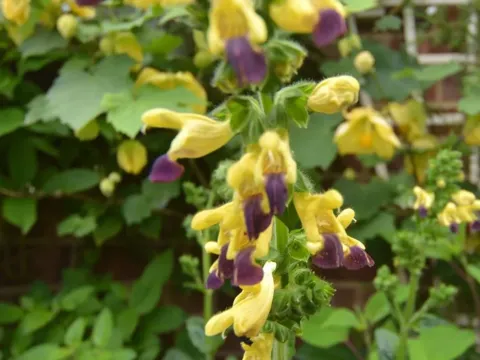
Japanese sage
Salvia nipponica
Japanese sage (lat. Salvia nipponica) is a perennial herbaceous plant belonging to the Lamiaceae family. Native to the mountainous regions of Japan, it has adapted to forest environments, thriving in shaded or semi-shaded habitats with high humidity.
What the section contains
Japanese sage
The plant requires a temperate climate with protection from harsh, direct sunlight. When cultivated, it performs best in locations that provide filtered light, which helps to maintain the vitality of the leaves and the brightness of its characteristic flowers.
Soil requirements involve well-drained, fertile substrates. It prefers loamy or sandy soil types with a neutral to slightly acidic pH level. Proper drainage is the most critical factor, as stagnant water is detrimental to the plant's delicate root system.
Standard agronomic practices include regular watering, especially during the dry summer season, and the application of organic mulch to stabilize soil temperatures. Maintaining adequate air circulation is also essential for healthy plant development.
The crop is primarily utilized for landscape design and the herbal industry. Its biochemical properties make it a subject of interest for pharmacological research and small-scale commercial cultivation of aromatic perennials.
The primary threat to Japanese sage is root rot, typically caused by waterlogged soil conditions. Implementing strict irrigation management is the most effective preventative measure against these soil-borne pathogens.
Leaf nematodes pose a significant risk, as they can cause visible tissue distortion. Identifying early symptoms is key to managing these pests before they spread throughout the cultivation area.
Powdery mildew often appears during periods of high humidity and poor ventilation. Providing enough space between individual plants encourages airflow and reduces the risk of fungal outbreaks significantly.
Slugs and snails can cause damage to the foliage, particularly during the early growth stages in spring. Protective barriers or specialized traps are often used in organic farming to mitigate these mechanical threats.
Effective weed control is a necessary part of overall farm management. Weeds provide cover for many pests and can compete with the sage for essential nutrients, thereby reducing overall crop vigor.