
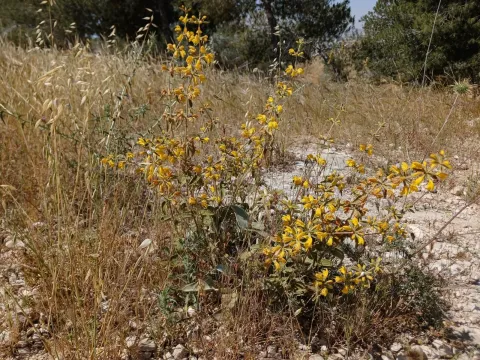
Phlomis brachyodon
Phlomis brachyodon
Phlomis brachyodon is a perennial herbaceous plant belonging to the Lamiaceae family. It is known for its hardy nature and deep root system, which allows it to adapt to various environmental conditions and stabilize the soil effectively.
What the section contains
Phlomis brachyodon
The optimal time for sowing is during autumn or early spring after cold stratification of the seeds. Seeds require consistent moisture to germinate successfully, and a fine, well-prepared seedbed is essential for high emergence rates.
Seeds are typically planted at a depth of 1 to 2 centimeters. During the first year, growth is focused on root development, so the plant requires patience as it establishes itself before entering a phase of rapid biomass production.
For agricultural purposes, planting in rows with spacing between 45 and 60 centimeters is recommended. This layout facilitates weed control and allows for adequate aeration between plants, which is crucial for preventing fungal infections.
Vegetative propagation via root division is also a viable method for expanding stands. This approach is preferred when genetic consistency is required or when establishing smaller patches of the crop for medicinal harvest.
This crop thrives in sunny locations with well-drained, sandy or loamy soils. It has a high tolerance for drought, making it an excellent candidate for regions where water resources for irrigation are limited.
Phlomis brachyodon performs best in environments with neutral to slightly alkaline pH levels. Poor drainage and waterlogged conditions are highly detrimental, as they often lead to root rot and other physiological stressors.
The plant requires full sun exposure to reach its maximum potential for producing essential oils and active compounds. Excessive shade leads to etiolation, which reduces the quality of the harvested aerial parts.
The species is quite frost-resistant, capable of surviving cold winter temperatures if the soil is relatively dry and the plant is well-established. It is an excellent choice for temperate climates with marked seasonal variations.
Minimal fertilization is required, as the plant is naturally adapted to poorer soils. If growth is sluggish, a balanced phosphorus and potassium supplement can be applied during the early budding stage to support structural development.
The primary use of Phlomis brachyodon lies in the pharmaceutical and herbal medicine sectors. The leaves and flowering tops contain flavonoids and iridoids, which are valued for their antioxidant and anti-inflammatory properties.
Apiculture is another significant sector for this crop. As a robust perennial honey plant, it provides a valuable nectar source during mid-summer, contributing to higher yields of high-quality aromatic honey.
The yield of dried aerial biomass ranges between 3 to 5 tons per hectare in established fields. Harvesting occurs at the peak of flowering to ensure the maximum concentration of bioactive secondary metabolites.
Beyond its utilitarian value, the plant is increasingly used in landscaping and ecological restoration. Its low-maintenance nature makes it perfect for urban xeriscaping and restoring degraded land where water usage must be kept to a minimum.
The essential oils extracted from the plant have potential applications in the cosmetic industry due to their distinct, pleasant scent and potential antiseptic characteristics, providing additional value to the harvest.
Fungal diseases are the main threats to the plant, usually triggered by excessive humidity or poor field ventilation. Powdery mildew can affect leaves if the foliage remains wet for extended periods in dense stands.
Pests such as aphids or certain coleopterans may target young shoots, but they rarely threaten the survival of a well-maintained field. Regular observation and cultural control methods are usually sufficient to keep pest pressure low.
Prevention relies on selecting sites with good air circulation and maintaining proper plant density. Weeding is critical in the first year to ensure the young plants are not overwhelmed by faster-growing competitors.
Monitoring for signs of stress is essential during the active growing phase. Rapid identification of local outbreaks allows for targeted, localized intervention rather than widespread chemical application.
Strengthening the plants through adequate spacing and balanced mineral nutrition naturally boosts their resistance to insects and pathogens, making the crop more sustainable in the long term.
Harvesting for medicinal use is carried out in dry weather conditions. Only the healthy upper parts of the stems with flowers should be collected, leaving the basal rosette intact to encourage regrowth for the following season.
Drying must be performed in shaded, well-ventilated areas or specialized ovens at temperatures between 40 and 45°C. Excessive heat must be avoided to preserve the volatile essential oils that provide the plant its therapeutic value.
The dried material is stored in breathable, dry, and dark conditions to prevent spoilage. Proper storage is vital to keep the active compounds stable and protect the product from humidity and light degradation.
For seed production, the flowers are harvested as they begin to mature and are dried on-site before threshing. The seeds are then cleaned, calibrated, and stored in a cool, dry place to ensure longevity until the next sowing season.
Post-harvest field management involves clearing crop residues to break the life cycles of potential pests. This simple step ensures that the plantation remains healthy and productive for many consecutive years.