
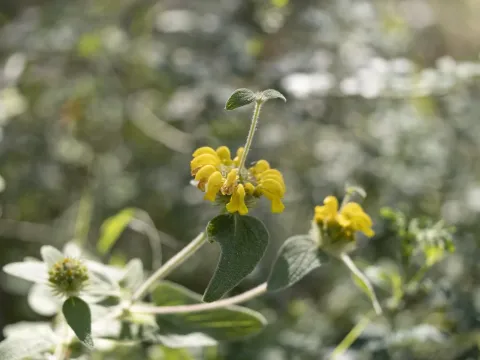
Phlomis bourgaei
Phlomis bourgaei
Phlomis bourgaei is a perennial herbaceous plant belonging to the Lamiaceae family. It is recognized for its unique adaptation to rocky and arid environments, where it serves as a valuable botanical resource for specialized ecosystems.
What the section contains
Phlomis bourgaei
The crop requires full solar exposure to thrive. Its physiological structure is optimized for high light intensity, which helps in developing the strong, woody base typical of this species. Inadequate lighting can result in reduced density and weak floral stems.
Soil requirements are centered on excellent drainage and aeration. Phlomis bourgaei performs best in alkaline, rocky, or gravelly soils. It strictly avoids compacted clays, which prevent the root system from reaching the necessary depth for water extraction.
Regarding climatic conditions, the plant is highly resistant to drought. It can sustain itself on minimal precipitation, making it suitable for areas with low annual rainfall. High temperatures are well tolerated, provided the plant is established.
Agronomic management includes basic maintenance such as removing debris from the base of the plant to prevent rot. Fertilization should be kept to a minimum; a slow-release organic fertilizer applied in early spring is usually sufficient to support annual growth cycles.
The primary threats to Phlomis bourgaei involve pathogenic fungi associated with excessive soil moisture. Root rot (Phytophthora spp.) is a major concern in regions with high humidity or poor drainage, often leading to rapid decline.
Pest pressure is generally low due to the plant's natural essential oil content, which acts as a deterrent. However, aphids can occasionally infest new growth during the spring, necessitating targeted pest control measures.
Leaf spots caused by fungal pathogens can appear after prolonged periods of rain. Implementing good spacing between individual plants is a critical cultural practice to ensure proper air circulation and reduce disease transmission.
In certain environments, slugs and snails may graze on young shoots, especially in newly planted fields. Integrated pest management, including physical barriers or bait, is recommended for young, vulnerable plants.
Weed competition is the most significant challenge during the first year of establishment. Manual or mechanical weeding is essential until the plant forms a sufficient crown to shade out competing weeds in the surrounding area.