
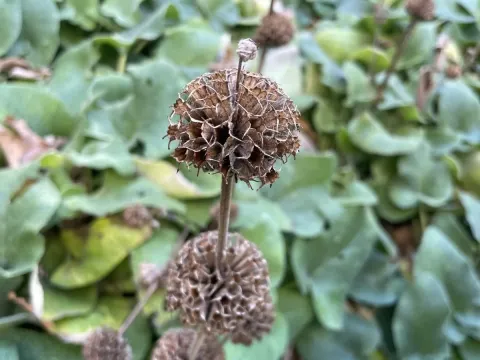
Phlomis
Phlomis
Propagation of Phlomis is most effectively achieved through seeds, which should ideally be sown in late autumn to benefit from natural winter stratification. If spring sowing is preferred, seeds must be artificially stratified in cold storage to break dormancy and ensure high germination rates.
What the section contains


Phlomis
Seeds should be sown in prepared soil at a depth of 1-2 cm, maintaining an inter-row spacing of 40-50 cm. Adequate moisture levels must be maintained during the initial germination phase to support the delicate root system development of the seedlings.
Seedlings exhibit a slow growth rate during their first year, focusing energy on establishing a deep taproot. Proper spacing is crucial to prevent competition for light and nutrients, which can otherwise stunt the growth of young perennial plants.
Greenhouse propagation or starter trays can be used to protect young plants from unpredictable weather conditions in the early spring. Once seedlings have developed 3-4 true leaves, they can be hardened off and transplanted into the open field.
Vegetative division of established clumps in early spring or late summer is another viable method for propagation, allowing growers to quickly scale their plantations while ensuring genetic consistency across the population.
Phlomis, a member of the Lamiaceae family, is renowned for its exceptional drought tolerance and resilience in harsh conditions. It thrives in open, sunny environments, making it an excellent candidate for cultivation in arid or semi-arid agricultural zones.
The crop requires well-drained, fertile, and slightly alkaline soil to flourish. Heavy, waterlogged soils are detrimental to the plant, often leading to root decay, so selecting sites with natural slopes or incorporating gravel for drainage is recommended.
While mature plants are highly efficient at sourcing moisture from deep soil layers, supplemental irrigation during the peak summer flowering season can significantly boost biomass and the production of secondary metabolites.
The plant is remarkably winter-hardy in temperate climates, requiring minimal protection during the colder months. However, mulching the base of the plants can help stabilize soil temperature and prevent frost-heave of the root system in areas with extreme temperature fluctuations.
Regular weed management is essential during the establishment phase, as Phlomis is sensitive to competition from fast-growing weeds that can shade out young seedlings and restrict airflow.
The primary threats to Phlomis include soil-borne pathogens and root rot, which are almost exclusively caused by excessive moisture and poor drainage. Proper site selection and avoiding over-irrigation are the most effective preventive measures against these infections.
Powdery mildew can occur if the plants are situated in environments with high humidity and stagnant air. Maintaining appropriate spacing between plants ensures proper ventilation, which helps to minimize the incidence of fungal diseases during the growing season.
Aphids and spider mites are occasional pests that may target the succulent leaves and stems during hot, dry summer spells. Integrated pest management, involving the use of beneficial insects or organic horticultural soaps, can effectively control these populations.
In some regions, larvae of ground beetles or other soil-dwelling insects may pose a risk to the roots. Implementing crop rotation cycles and monitoring soil health helps in mitigating the impact of these potential pests.
Timely identification of affected areas and the removal of diseased plant parts can stop the spread of infection, ensuring the long-term health and productivity of the entire agricultural plot.
Harvesting for medicinal and commercial purposes should coincide with the peak flowering period, as this is when the concentration of essential oils and active compounds is highest. Cutting should be performed during dry, clear weather to ensure high-quality material.
After harvesting, the foliage and flowers must be dried in a shaded, well-ventilated space at temperatures not exceeding 40 degrees Celsius. This careful drying process is vital to preserve the volatile compounds that give the plant its characteristic therapeutic properties.
Phlomis is widely recognized for its anti-inflammatory and antiseptic properties, finding extensive use in the preparation of herbal extracts and traditional remedies. Properly processed and stored, the dried product remains stable for an extended period.
Beyond its medicinal value, the plant is a significant nectar source, attracting various pollinators and contributing to overall ecosystem health. Its architectural structure also makes it a valued plant in ornamental and sustainable gardening practices.
The agricultural potential of Phlomis continues to grow, as modern research explores its capacity for sustainable farming in marginal lands where traditional crops might struggle to survive and thrive without excessive input.