
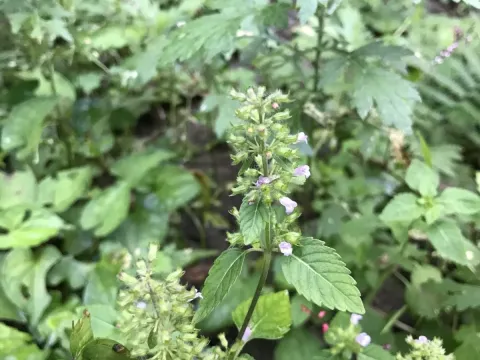
Clinopodium micranthum
Clinopodium micranthum
Planting Clinopodium micranthum requires a well-prepared seedbed during the spring season when soil temperatures reach 10-12 degrees Celsius. Direct sowing in open fields is most effective in late April to early May.
What the section contains
Clinopodium micranthum
For early production, seedlings can be started indoors in March. This method ensures better plant establishment and higher survival rates when transplanting to the field after the danger of frost has passed.
Given the fine size of the seeds, they should be sown shallowly, ideally covered with no more than 0.5-1 cm of soil. Light compaction after sowing helps ensure good soil-to-seed contact for uniform germination.
Maintaining adequate moisture levels during the germination phase is critical. Careful watering prevents the soil from crusting, which can impede the emergence of delicate seedlings.
Vegetative propagation via root division is another viable method for establishing a crop. This should be performed in early spring or autumn to allow the roots to stabilize before extreme weather conditions occur.
Clinopodium micranthum, a member of the Lamiaceae family, thrives in sunny locations with well-drained soil. High exposure to sunlight is essential for optimizing the synthesis of essential oils in the foliage.
The plant prefers light, fertile loamy or sandy soils with a neutral pH. Soils prone to waterlogging must be avoided, as the species is highly susceptible to root rot caused by poor drainage.
Moderate temperatures are ideal for growth, though the plant is resilient once established. It requires regular moisture during the vegetative growth phase to maximize foliage production.
Balanced fertilization is key to production; phosphorus and potassium applications during the budding phase enhance the quality and yield. Excessive nitrogen should be avoided to prevent rank growth.
Inter-row cultivation is essential not only for weed control but also for maintaining soil aeration, which supports vigorous root development and nutrient uptake.
The economic value of Clinopodium micranthum is derived from its aromatic aerial parts. Yield potential is optimized by maintaining proper plant density and managing the crop according to its specific growth stages.
Harvesting is ideally conducted during the full flowering phase when the concentration of aromatic compounds is at its maximum. Proper timing ensures the highest quality essential oil content.
The species exhibits excellent regrowth potential after cutting, allowing for multiple harvests per season under optimal irrigation and nutrient conditions. This adaptability makes it a valuable crop for small-to-medium scale producers.
Post-harvest handling requires gentle drying in ventilated, shaded areas to prevent the degradation of heat-sensitive volatile oils and to maintain the vibrant color of the foliage.
Yield stability is greatly improved through the use of supplemental irrigation, particularly during summer months when natural precipitation may fall short of the crop's requirements.
Root rot caused by excess soil moisture is the primary threat to Clinopodium micranthum. Preventing water stagnation through proper field drainage and crop rotation is the most effective defense.
Pests like aphids may occasionally affect younger leaves during dry spells. Management strategies should emphasize biological control methods, such as encouraging beneficial insects that feed on these pests.
Weed infestation is a significant challenge during the early stages of establishment. Regular weeding is mandatory until the plant canopy is sufficiently dense to shade out competitors.
Disease management relies heavily on preventative cultural practices, including providing adequate spacing between plants to facilitate air circulation and reduce humidity around the foliage.
In cases of severe localized infection, removing and disposing of affected plant materials is recommended to stop the progression of pathogens across the plantation.
The harvest should be performed using sharp tools to minimize damage to the plant stems, ensuring healthy regrowth. Dry, early morning conditions are optimal for maintaining the integrity of the harvested material.
Speed is essential once harvesting is completed. The collected green matter should be transported quickly to drying facilities to prevent quality loss caused by heat exposure and oxidation.
Standardized post-harvest protocols should include cleaning and sorting to remove impurities, ensuring the final product meets the quality specifications required for market distribution.
Storage should take place in cool, dark, and dry conditions. Using airtight packaging or containers helps preserve the delicate aromatic profile of the herbs for an extended duration.
Final seasonal harvests must be completed well before the first autumn frosts, giving the plants sufficient time to prepare for winter dormancy and survive until the following spring.