
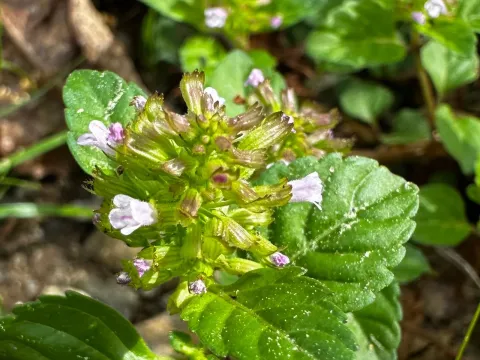
Clinopodium gracile
Clinopodium gracile
Clinopodium gracile requires careful preparation of the soil for successful sowing. It is best to plant seeds in the spring when the soil temperature consistently reaches 10-12 degrees Celsius, which ensures optimal germination and strong seedling development.
What the section contains
Clinopodium gracile
For commercial production, starting with seedlings in a greenhouse is often preferred. This method allows for a more controlled environment during the early stages of growth, resulting in stronger plants when transplanted into the field later in the season.
When sowing directly into the ground, seeds should be placed at a depth of no more than 0.5 to 1 centimeter. Providing light, constant moisture to the soil surface is critical to prevent the small seeds from drying out before they can fully establish their roots.
Row spacing should typically be kept between 30 and 45 centimeters to allow for efficient weeding and soil aeration. This spacing also helps to optimize the use of space while ensuring that each plant receives adequate access to nutrients and light throughout the growing season.
Timing the sowing correctly is essential for maximizing yield. Producers should consider local climate patterns, ensuring that the plants are well-established before the onset of extreme summer heat or unexpected autumn frost, which could damage young vegetation.
Clinopodium gracile thrives in well-drained, fertile soils, preferring loamy or sandy loam textures. It is important to avoid areas prone to waterlogging, as the root systems are sensitive to prolonged exposure to excess moisture, which can lead to decay and plant death.
As a member of the Lamiaceae family, this plant prefers full sun exposure to maximize the production of essential oils and other secondary metabolites. While it can tolerate partial shade, productivity is significantly reduced in areas without sufficient light.
Soil pH should be maintained in a neutral to slightly acidic range for the best results. Regular soil testing is recommended to determine specific fertilization needs, focusing on balanced nitrogen, phosphorus, and potassium levels to support vegetative growth.
Water management is crucial throughout the growth cycle. While the plant shows some drought tolerance, supplemental irrigation during peak growth periods can significantly boost the overall quantity and quality of the raw material produced by the plantation.
Regular cultivation and soil aeration are necessary to maintain healthy growth. By breaking up the soil crust periodically, farmers can improve oxygen levels in the root zone and encourage the uptake of essential nutrients, leading to a more vigorous crop.
Common threats to Clinopodium gracile include various fungal diseases, such as root rot and powdery mildew, which often develop under high humidity. Proper field management, including adequate spacing and ventilation, is key to preventing the spread of these pathogens.
Pests like aphids and spider mites are major concerns, as they feed on the plant sap and can weaken the crop significantly. Early detection through regular monitoring is essential for minimizing damage to the foliage and maintaining plant health.
Implementing a strict crop rotation schedule is an effective strategy for disease management. Avoiding consecutive planting of Lamiaceae species in the same field helps to break the life cycle of soil-borne pathogens and reduces the buildup of specific plant pests.
Integrated Pest Management (IPM) practices should be used to protect the crop while minimizing reliance on chemical pesticides. Using biological control agents or targeted, low-toxicity organic treatments helps to ensure the final product remains safe and high-quality.
Keeping the field clean of plant debris at the end of the season is a vital sanitation practice. This reduces the number of overwintering sites for both pests and fungal spores, providing a cleaner start for the next planting cycle and improving overall crop health.
Harvesting Clinopodium gracile is a delicate process that should be timed with the plant's peak flowering stage. This is when the concentration of beneficial volatile oils is at its highest, ensuring the highest quality of raw material for further use or extraction.
Mechanized harvesting tools or manual scythes are typically used to cut the plants. Care must be taken to leave enough of the stalk intact, especially for perennial crops, to allow the plant to regenerate successfully for subsequent harvest seasons.
Once harvested, the plant material should be processed immediately. Avoid leaving the raw material in large piles for long periods, as this can trigger unwanted fermentation and heating, which rapidly degrades the quality and color of the dried herbs.
Drying should take place in a shaded, well-ventilated area or specialized dryer at a temperature not exceeding 45 degrees Celsius. This prevents the loss of essential oils and preserves the plant's characteristic aroma and medicinal profile.
Final processing involves sorting and cleaning the material to remove any impurities, followed by storage in airtight containers in a cool, dry environment. Proper storage ensures that the chemical properties of the crop are preserved until it is ready for distribution.