
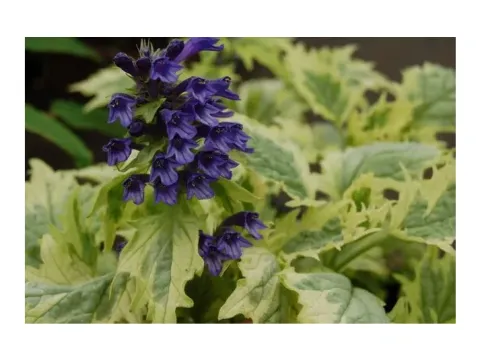
Cutleaf bugle
Ajuga incisa
Cutleaf bugle (Ajuga incisa) is a perennial herbaceous plant belonging to the Lamiaceae family. Renowned for its vigorous growth habits and distinctively serrated foliage, this species is widely utilized as a decorative groundcover in temperate regions.
What the section contains
Cutleaf bugle
Originating from East Asia, specifically regions within Japan and the Korean Peninsula, this plant has adapted to diverse environmental conditions. It demonstrates significant cold hardiness, allowing it to survive through various winter climates common in mid-latitudes.
Cultivation requires soils that are consistently moist yet well-drained. While the plant is quite versatile, it thrives best in fertile, loamy soil types. Adequate drainage is essential to prevent root rot, which is the most common issue in poorly managed cultivation sites.
In terms of light requirements, Ajuga incisa is highly adaptable, performing well in partial shade or even full sunlight provided there is sufficient moisture. In hotter regions, filtered sunlight is preferred to prevent the leaves from scorching during peak summer temperatures.
The agrotechnical management of this plant is relatively simple, as it effectively suppresses competing weeds by forming a dense mat. Regular maintenance is limited to thinning out overgrown patches to maintain plant vigor and prevent the accumulation of excess humidity.
The primary threats to Ajuga incisa are fungal pathogens, which frequently flourish in conditions of high humidity and poor air circulation. Root and crown rot are particularly destructive and usually indicate issues with water management in the planting area.
Leaf spot diseases can also occur, especially during prolonged wet weather. These infections typically manifest as dark or discolored blotches on the foliage, which can impair the plant's aesthetic value if left untreated for extended periods.
Slugs and snails represent the most common vertebrate pests, as they consume the succulent leaves of the bugle. Gardeners often use organic baits or physical barriers around the perimeter to protect the plants during the critical spring growth phase.
Aphids can occasionally infest new growth, sucking sap and potentially transmitting viral agents. If an infestation occurs, targeted application of neem oil or insecticidal soap is generally effective in managing the pest population without damaging the environment.
Integrated pest management strategies, such as maintaining proper plant spacing and ensuring good drainage, remain the most sustainable approach to keeping a healthy stand of Ajuga incisa throughout the entire growing season.