
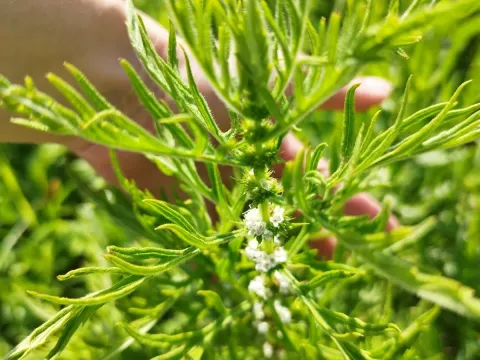
Cut-leaved horehound
Lycopus exaltatus
Cut-leaved horehound (Lycopus exaltatus) is a perennial herbaceous plant belonging to the Lamiaceae family. It is native to various regions in Eurasia, where it typically inhabits wetlands and stream banks.
What the section contains
Cut-leaved horehound
The plant requires high levels of soil moisture for optimal development. Cultivation is most successful in fertile, damp soils, making it an excellent choice for areas with poor drainage that are unsuitable for traditional row crops.
Botanically, this species is identified by its pinnately lobed leaves, which differ significantly from the undivided leaves of other Lycopus species. It produces small, white flowers that bloom from summer to early autumn.
As a climate-hardy species, it thrives in temperate zones. It is highly adapted to changing environmental conditions, showing good resistance to winter dormancy and frost in its native distribution areas.
In agriculture and herbal medicine, the plant is harvested for its therapeutic compounds. It has been used for centuries to manage various metabolic health issues, making it a niche but consistent market crop.
The primary threats to Lycopus exaltatus include fungal infections like powdery mildew, which thrive in stagnant, humid environments where air circulation is limited.
Insect pests such as aphids and leaf-eating beetles can cause significant damage to the plant's aerial foliage, potentially reducing the total biomass harvested for herbal extraction.
Effective crop management requires ensuring proper plant spacing to prevent moisture buildup. Weeding must be performed manually or mechanically in the early stages to minimize resource competition.
Soil-borne pathogens may also affect root health if the plant is grown in unsuitable, non-draining soil types, leading to stunted growth or root decay.
Maintaining a healthy crop involves monitoring for signs of infestation and using biological control agents, as synthetic chemicals can compromise the safety and purity of the final pharmaceutical product.