
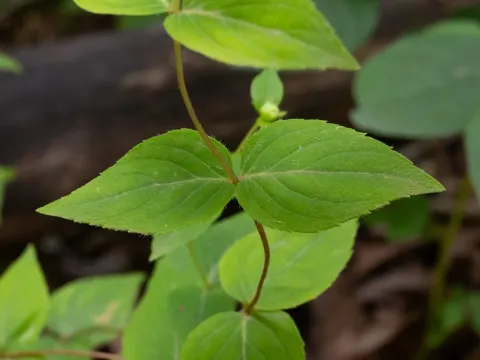
Cunila
Cunila
Cunila seeds are typically sown in early spring, once the soil has warmed sufficiently, to ensure rapid and uniform germination across the field.
What the section contains

Cunila
Due to the small size of the seeds, they should be sown shallowly and covered with only a fine layer of substrate to ensure they have enough light to germinate.
Stratification of seeds at cold temperatures for several weeks is often recommended to break dormancy and improve the overall germination rate.
Seedlings can be started indoors in trays before the last frost date, which helps in establishing a strong root system before transplantation into the soil.
Proper spacing is crucial; plants should be set roughly 30 to 40 centimeters apart to prevent overcrowding and ensure adequate airflow around each plant.
Cunila plants require well-draining soil, ideally of a sandy loam texture, which allows for optimal root development without waterlogging.
A location with full sun exposure is essential for the plant to thrive and maximize the production of volatile oils within its leaves and stems.
While established plants are somewhat drought-tolerant, consistent moisture during the initial growing season is necessary for healthy establishment.
The soil pH should ideally be neutral or slightly acidic; ensuring high organic matter content in the soil significantly boosts growth and yield.
Protection from extreme winds and harsh winter freezes is recommended in colder regions to prevent dieback and ensure the plant returns the following year.
Excessive moisture combined with poor soil drainage poses the highest risk of fungal diseases, which can lead to rapid root decay and plant loss.
Powdery mildew may occur in stagnant, humid conditions, manifesting as a white fungal growth on the foliage that reduces photosynthetic capacity.
Common pests such as aphids and spider mites may infest the plant during hot, dry weather, requiring prompt intervention to prevent stunted growth.
Weed management is vital during the early stages of growth, as Cunila does not compete well with vigorous weeds for water and soil nutrients.
Implementing regular monitoring and removing affected parts of the plant immediately can effectively prevent the spread of diseases within the cultivation area.
The optimal time for harvesting is during the full bloom stage, as this is when the concentration of essential oils is at its peak intensity.
Harvesting is performed by clipping the top portions of the stems, leaving the lower parts of the plant intact to encourage secondary growth.
Drying must be conducted in a dark, well-ventilated area away from direct sunlight to preserve the aromatic compounds and the vibrant green color.
After the material is thoroughly dried, the leaves are often stripped from the woody stems and stored in airtight glass containers for culinary usage.
Regular harvesting and light pruning throughout the growing season can promote a bushier plant habit and increase the total yield per square meter.