
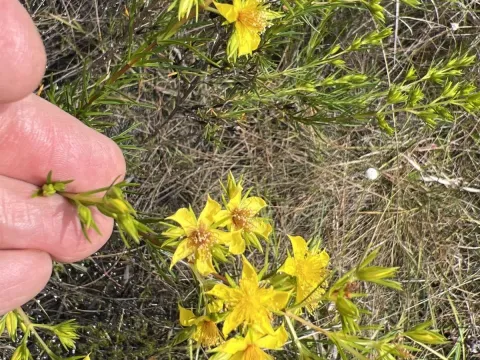
Shining St. John's wort
Hypericum nitidum
Sowing Hypericum nitidum seeds should be initiated in early spring once soil temperatures reach at least 10 degrees Celsius. For optimal results, seeds benefit from a stratification period, which helps break dormancy and ensures uniform germination.
What the section contains
Shining St. John's wort
The seeds are very fine and require shallow planting, typically no deeper than 0.5 cm. Surface sowing followed by light soil compression is often the best technique to ensure good contact with the growing medium.
Row spacing should be maintained between 45 and 60 cm to allow for efficient weed control and adequate air circulation throughout the crop cycle. Proper spacing is essential to reduce the risk of fungal diseases.
In the first year of growth, the plant focuses primarily on developing its root system and a basal rosette of leaves. Expect a slower initial growth rate, which requires diligent weeding during the early stages.
Keeping the seedbed consistently moist during the first few weeks is crucial for successful establishment. Irrigation should be applied gently to avoid washing away the delicate surface-sown seeds.
Shining St. John's wort belongs to the Hypericaceae family and thrives in full sun exposure. While the plant can tolerate partial shade, maximum sunlight is essential for synthesizing the medicinal compounds it is known for.
The ideal soil conditions consist of well-drained, sandy loam or loamy soils with a pH ranging from 5.5 to 7.0. Poor drainage is the most significant limiting factor for successful cultivation of this species.
Basic soil preparation involves incorporating organic compost to improve soil structure and water retention. Supplemental potash and phosphorus applications during early spring can boost plant vitality and stress tolerance.
The species is generally hardy, but it prefers regions where the soil does not remain waterlogged during winter. Mulching around the base can help protect the roots in areas with harsh, freezing winters.
Regular maintenance, including shallow cultivation between rows, helps manage weeds and keeps the soil aerated. Avoid deep cultivation near the plants to prevent damaging the fibrous root network.
The most significant threat to Hypericum nitidum is root rot, typically caused by waterlogged soils or excessive irrigation. Ensuring proper drainage is the most effective preventative measure for this condition.
Leaf-feeding beetles can occasionally cause damage to foliage, which may impact the yield quality. Monitoring the fields regularly allows for early detection and the use of targeted biological control agents.
Powdery mildew can occur in humid, stagnant conditions, appearing as a white fungal dusting on the leaves. Increasing row spacing and improving field ventilation are the best ways to mitigate this risk.
Viral infections may occur, often transmitted by sap-sucking insects. Controlling the population of vectors like aphids through natural predators is an essential part of an integrated pest management plan.
Effective crop rotation is mandatory to prevent the build-up of soil-borne pathogens. Avoiding replanting on the same site for several years helps maintain the long-term health of the plantation.
Harvesting should take place during the peak flowering stage when the active pharmacological components are at their highest concentration. This usually occurs during the height of the summer season.
The upper 20-30 cm of the flowering stems are cut, leaving the tougher, woody base of the plant intact. Utilizing sharp mechanical harvesters ensures clean cuts that help the plant recover quickly.
The harvested material must be moved immediately to a drying area to prevent premature oxidation. Drying should occur in a well-ventilated, shaded environment to protect the integrity of the plant pigments.
Controlled drying at temperatures between 40 and 45 degrees Celsius is recommended for commercial operations. Rapid moisture removal helps maintain the aesthetic quality and chemical potency of the herb.
Finished goods should be stored in dark, cool, and dry conditions to prevent degradation. Using breathable containers ensures that the material remains free of mold during storage until it is processed.