
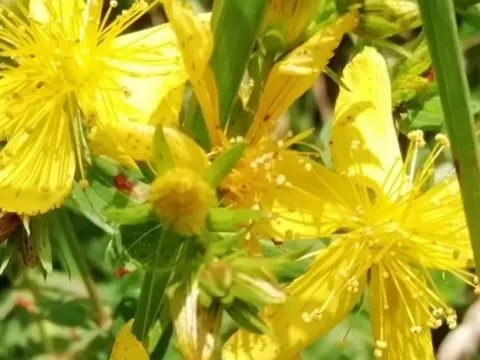
Himalayan St. John's wort
Hypericum himalaicum
Sowing Hypericum himalaicum is best performed in early spring or late autumn to allow for natural stratification of seeds. As a perennial crop, selecting a site with proper drainage and long-term viability is essential for successful farm management.
What the section contains
Himalayan St. John's wort
The seeds of this species are extremely small and should be surface-sown onto a well-prepared, fine-textured seedbed. They should not be buried deeply, as light is often a required trigger for successful germination and initial root development.
Using seedling trays in a controlled environment is often preferred for high-density production. This allows for optimal spacing and ensures each plant receives adequate nutrition before transplanting into the open field during the stable growing season.
Consistency in moisture levels is critical during the first three weeks of germination. Utilizing a fine misting system ensures the seeds remain moist without being displaced by heavy watering, which can damage delicate emerging seedlings.
When transplanting, spacing the plants 30 to 40 centimeters apart provides sufficient airflow and minimizes competition for nutrients. Proper plant population density is a key factor in ensuring high-quality, uniform biomass at the time of harvest.
As a member of the Hypericaceae family, the Himalayan St. John's wort thrives in environments mimicking its mountainous origin. It requires full sunlight to partial shade, with intense exposure being beneficial for secondary metabolite production.
The plant prefers well-drained, sandy-loam soils with a neutral to slightly acidic pH. Avoiding heavy clay soils that retain excessive water is crucial to preventing root rot and ensuring vigorous growth during the vegetative phase.
Climate adaptability is one of the strengths of this species, though it performs best in cooler, temperate climates. Mulching around the base of the plant in winter helps protect the root system from extreme frost cycles in harsher environments.
Irrigation management should be balanced; while the plant requires water for stem growth, reducing irrigation frequency during the flowering phase is recommended. This stress can often boost the concentration of beneficial oils in the plant tissue.
Regular monitoring of soil nutrient levels, particularly potassium and phosphorus, supports the structural integrity of the plant. Avoiding excessive nitrogen application is vital to ensure that energy is diverted toward flowering rather than just foliage production.
Root rot is the most significant threat to Hypericum himalaicum, typically resulting from poor drainage or excessive soil moisture. Implementing proper land leveling and drainage ditches around the field can mitigate these risks effectively.
Fungal issues like powdery mildew can appear when humidity is high and airflow is restricted. Pruning techniques that improve light penetration and air circulation through the canopy are excellent preventative measures for commercial plantations.
Aphids and mites are common pests that feed on the soft tissues of the plant. Integrated pest management, including the use of beneficial insects or organic horticultural soaps, can control populations without compromising the medicinal quality of the crop.
Weed competition is particularly damaging in the early growth stages of the perennial crop. Using biodegradable mulch or mechanical cultivation between rows keeps the field clean and reduces the nutrient theft by unwanted vegetation.
Crop rotation protocols should be strictly followed to prevent the buildup of soil-borne pathogens. A minimum interval of four years before replanting in the same location is recommended to maintain soil health and vigor.
Harvesting Hypericum himalaicum should take place during the peak flowering stage when the active compounds are most abundant. The best time for collection is mid-morning, after the dew has evaporated but before the heat of the day peaks.
Only the upper portion of the stems, including flowers and buds, should be harvested. Using sharp shears prevents stem crushing and promotes faster regrowth for subsequent harvests, depending on the length of the growing season.
Rapid drying in a well-ventilated, shaded area is necessary to preserve the medicinal potency. Excessive heat or prolonged exposure to direct sunlight will degrade the plant's active constituents and reduce its market value significantly.
Proper storage is essential; the dried material must be kept in airtight containers in a cool, dark environment. This prevents moisture absorption and oxidation, extending the shelf life of the botanical product by up to two years.
During the drying process, ensuring the airflow reaches all parts of the harvest is vital to prevent mold growth. Frequent checking and turning of the drying biomass ensures a high-quality end product that meets agricultural and pharmaceutical standards.