
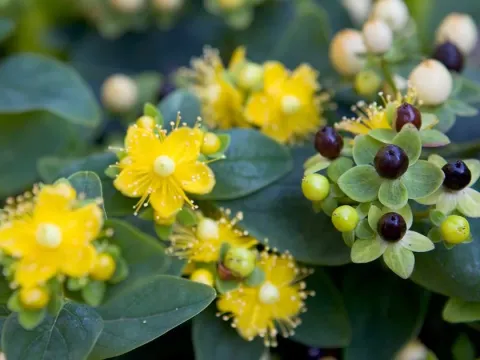
Hypericum dummeri
Hypericum dummeri
Sowing Hypericum dummeri seeds is best performed in early spring once the soil temperature is sufficiently warm. Alternatively, late autumn sowing allows for natural stratification, which helps improve overall germination rates.
What the section contains
Hypericum dummeri
The seeds are very small and should only be lightly covered with a thin layer of soil or sand. Ensuring good seed-to-soil contact is critical for proper moisture absorption and successful seedling emergence.
Stratification is highly recommended for those looking to maximize uniformity in their crops. Keeping the seeds in a cold environment for a month before planting helps break seed dormancy effectively.
Spacing is essential for the healthy growth of the plants. Seedlings should be placed at least 30 to 40 centimeters apart to ensure adequate airflow and reduce the competition for soil nutrients.
Maintain consistent soil moisture after sowing until the seedlings are well-established. Protecting the young plants from harsh afternoon sunlight during the initial growth stages is also beneficial.
Hypericum dummeri is a member of the Hypericaceae family, known for its adaptability and ornamental value. It performs best in well-drained soil with a slightly acidic to neutral pH level.
The plant requires a location with full sun to partial shade. Exposure to direct sunlight is essential for stimulating flower production and maintaining the intense foliage color characteristic of this species.
While the plant is somewhat drought-tolerant once mature, it requires regular watering during the first growing season. Consistent moisture promotes deeper root development and overall plant vitality.
Soil quality should be enhanced with organic compost before planting to provide essential minerals. Avoid heavy, waterlogged soils, as they can cause root rot and significantly hinder the plant's growth.
Hypericum dummeri is generally hardy, but in colder climates, it is wise to apply a layer of mulch around the base of the plant to protect the root system from extreme winter frost.
Fungal diseases, including powdery mildew and rust, represent the primary threats to Hypericum dummeri crops. These issues are most prevalent during periods of high humidity and poor ventilation.
Pests such as aphids and spider mites can occasionally affect the foliage. Regular inspections of the undersides of leaves can help detect early infestations before they spread across the crop.
To minimize disease pressure, it is important to practice good sanitation. Removing dead or diseased plant tissue immediately helps prevent the accumulation of pathogens in the garden soil.
Biological controls are often preferred when managing minor pest outbreaks to preserve the local insect population. Selective application of natural soaps or oils can be effective against common garden pests.
Proper plant spacing and weed control are fundamental agronomic practices that reduce the stress on Hypericum plants, making them more resistant to environmental and biological threats.
Harvesting for medicinal or decorative purposes should occur during the peak flowering stage. At this point, the plant contains the highest concentration of active phytochemical compounds.
Use clean, sharp shears to harvest the stems, ensuring the cuts are made above the primary growth nodes. This practice encourages the plant to continue developing throughout the season.
Drying should be performed in a cool, dark, and well-ventilated area. Rapid drying helps preserve the chemical integrity and the aesthetic appearance of the flowers and stems.
Once dried, the plant material should be stored in airtight containers away from moisture and direct light to ensure long-term shelf stability and quality preservation.
Post-harvest care involves clearing away debris and applying a balanced fertilizer to support root recovery, which prepares the Hypericum dummeri for the subsequent year of growth.