
Marshall's currant
Ribes marshallii
Marshall's currant (Ribes marshallii) is a rare species of deciduous shrub belonging to the Grossulariaceae family. In its natural environment, this species is found primarily in the mountainous regions of western North America, favoring cool and moist habitats.
What the section contains
Marshall's currant
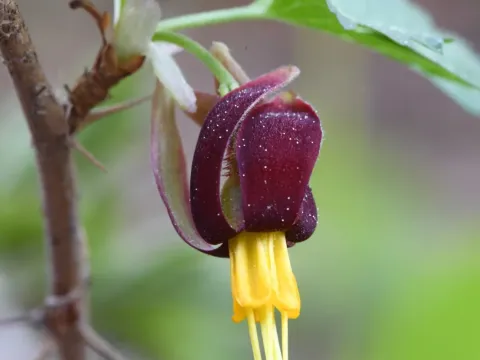
Botanically, this culture is distinguished by its specific, relatively large flowers, which differ significantly in structure and coloration from common garden currant varieties. The shrub usually remains compact, forming a dense crown with foliage typical of the Ribes genus.
The plant has strict requirements for soil drainage, as it cannot tolerate water stagnation in the root zone. The optimal environment for its development consists of organic-rich, slightly acidic forest soils, which are typical for the slopes of the mountains where it originates.
In terms of climate, the species prefers moderately continental conditions with high air humidity during the spring and summer seasons. Intense direct sunlight combined with substrate dehydration negatively affects the plant's life cycle, which is why it is most often found in partially shaded areas.
The economic utilization of this species is currently limited due to its rarity and specific ecological niches. Unlike cultivated currant varieties, this species is of primary interest to researchers and breeders as a potential source of unique genes for developing hardy or ornamental plant forms.
Like many wild species of Ribes, Marshall's currant can be susceptible to specific fungal diseases common to the genus, including rust and powdery mildew, especially under conditions of excessive humidity.
Pests common to currants and gooseberries, such as clearwing moths or bud mites, pose a risk to this species as well. Because they lack specialized breeding protection, wild plants show varying degrees of resistance to local phytopathogens within their natural range.