
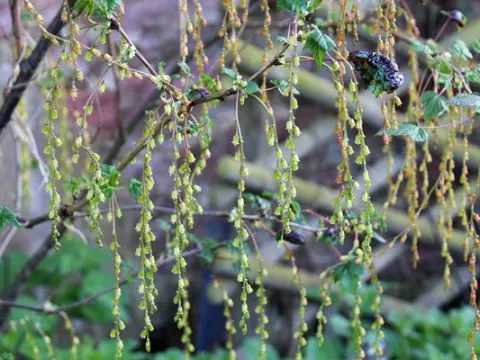
Long-raceme currant
Ribes longeracemosum
Long-raceme currant (Ribes longeracemosum) is a distinct species within the Grossulariaceae family. Native to the mountainous regions of China, this plant thrives in high-altitude forest environments, showcasing unique evolutionary adaptations.
What the section contains
Long-raceme currant
The most striking botanical feature of this species is its exceptionally long inflorescences, which can span up to 30 centimeters in length. The foliage is typically five-lobed and covered with fine hairs, reflecting its adaptation to cooler, more humid mountainous microclimates.
Successful cultivation requires a location that mimics its native habitat, specifically offering partial shade and protection from the harsh midday sun. Excessive heat can cause stress, leading to scorched leaves and stunted overall development.
Soil conditions are critical for this species; it requires a substrate rich in organic matter that provides excellent drainage. Proper aeration of the root zone is necessary to prevent root rot, which is a common issue for this species in garden settings.
Cultural practices include consistent moisture management, as the plant does not tolerate prolonged droughts. Applying organic mulch around the base helps retain soil humidity and keeps root temperatures stable throughout the growing season.
The species is susceptible to powdery mildew, especially in environments where humidity levels are high and air movement is restricted, which is a frequent challenge in enclosed garden spaces.
Fungal leaf spots represent another significant threat to the plant's health and appearance. Keeping the foliage dry by avoiding overhead irrigation can significantly reduce the risk of these pathogens.
Pests such as aphids and spider mites are common enemies of the long-raceme currant. They tend to colonize the undersides of the leaves, where they cause damage that can easily go unnoticed until the infestation is severe.
Integrated pest management, including regular inspection and the use of insecticidal soaps, is highly recommended to maintain the plant's vigor without causing harm to beneficial garden insects.
Sanitation practices, such as pruning dead wood and removing fallen leaves in autumn, are essential for reducing the overwintering populations of pests and fungal spores in the garden area.