
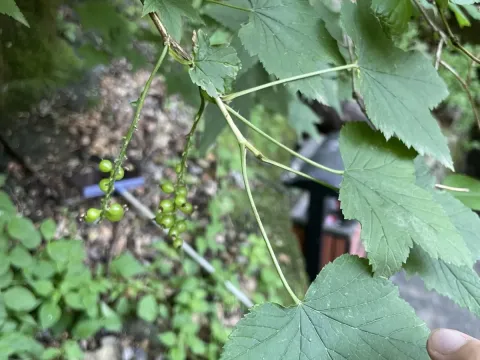
Manchurian currant
Ribes mandshuricum
The Manchurian currant (Ribes mandshuricum) is a deciduous shrub belonging to the Grossulariaceae family, known for its cold tolerance and vigor.
What the section contains
Manchurian currant
Originating from the regions of East Asia, specifically Manchuria and surrounding territories, this species thrives in cool, moist forest environments.
The plant requires deep, fertile soil with good drainage to prevent root rot while maintaining sufficient moisture during the active growing season.
While it can tolerate some shade, placing the shrub in a location with filtered sunlight helps to optimize both growth rates and berry development.
Given its natural habitat, the plant is well-adapted to harsh winters and does not require special winter protection in typical agricultural zones.
The Manchurian currant produces berries in clusters that offer a unique flavor profile, often utilized in artisanal jam production and medicinal preparations.
Yield capacity is influenced by consistent irrigation and proper annual pruning, which encourages the development of healthy, fruit-bearing wood.
The shrubs begin producing fruit several years after planting, with maturity levels usually reached as the crown expands and the root system stabilizes.
Berries are rich in essential vitamins and antioxidants, making them a valuable crop for those looking to diversify their berry garden with hardy species.
Beyond fruit production, the species is frequently utilized in landscaping for its attractive foliage and structural presence during the spring flowering season.
Common pests include aphids and mites, which can infest new shoots and foliage if the plants are stressed by drought or poor air circulation.
Fungal issues, such as powdery mildew or leaf spot, are prevalent in overly humid conditions, emphasizing the need for proper plant spacing.
Regular maintenance, including removing dead wood and clearing fallen leaves from beneath the shrubs, is crucial for breaking the lifecycle of pathogens.
In cases of heavy infestation, specific horticultural oils or organic pesticides can be used to control pest populations without harming the shrub.
Observing the health of the leaves throughout the summer months is essential for early detection of potential disease outbreaks before they impact yield.
Harvesting should be performed carefully by hand once the berries have reached their optimal ripeness and exhibit the deep color characteristic of the species.
Because the berries may not all ripen at the exact same time within a single cluster, multiple passes may be required to ensure maximum quality.
Freshly harvested berries are delicate and should be cooled promptly to maintain their texture and nutritional integrity until they are processed.
Using shallow crates for transport helps prevent the berries from being crushed, maintaining the quality required for market or direct consumption.
After the final harvest, applying a layer of organic mulch around the base of the plant helps retain soil moisture and prepares the roots for dormancy.