
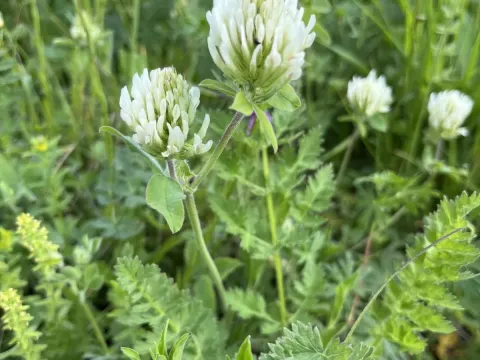
Grey clover
Trifolium canescens
Grey clover (Trifolium canescens) is a perennial herbaceous plant belonging to the Fabaceae family. It is recognized for its significant cold hardiness and rapid regeneration capabilities during the early growth stages.
What the section contains
Grey clover
Seeding should ideally occur in early spring when the soil maintains optimal moisture levels. Proper timing ensures that the seeds establish a strong root system before the onset of summer heat.
The seeds should be sown at a shallow depth of 1 to 2 centimeters. Because they are quite small, deep planting can inhibit germination and reduce the overall success rate of the crop establishment.
It is common practice to plant grey clover in mixed stands with various grasses. This synergy creates a robust agro-ecosystem that remains productive over multiple harvest seasons.
Mechanical rolling of the seedbed before and after sowing is highly recommended. This process creates the necessary soil-to-seed contact, facilitating uniform emergence and reducing the risk of seedling loss.
This species thrives in well-drained loamy or sandy soils. It is particularly adapted to mountain environments but performs well in various agricultural landscapes if drainage is managed correctly.
Grey clover requires ample sunlight for healthy development. Shaded conditions tend to weaken the plant, reducing its foliage production and negatively impacting its ability to fix atmospheric nitrogen.
The plant exhibits excellent tolerance to low temperatures, making it a reliable choice for regions with long or harsh winters. Its dormancy period ends promptly once favorable spring weather arrives.
Water requirements are moderate, though the plant is relatively resilient to short-term dry spells. However, consistent moisture during the active vegetative growth phase is essential for high biomass yields.
Soil pH should ideally be neutral or slightly acidic. On highly acidic soils, incorporating lime is a standard agronomic practice to improve nutrient uptake and overall plant vigor.
The primary use of grey clover is for high-quality forage production, including hay and pasture grazing. It is highly valued for its protein content and digestible fiber, which are essential for livestock health.
As a legume, grey clover is an excellent nitrogen fixer. It contributes to soil fertility by converting atmospheric nitrogen into a plant-available form, which benefits the entire crop rotation cycle.
Livestock find the grey clover palatable, which translates into improved weight gain and milk production. It serves as a valuable component in animal feed rations due to its nutrient density.
Hay harvested from this clover retains its quality well if dried correctly. It provides a reliable source of protein-rich feed during winter months when fresh pasture is unavailable.
Beyond its agricultural utility, the plant helps in soil stabilization. Its root network effectively binds the soil, making it useful for preventing erosion on vulnerable slopes and fields.
Fungal diseases such as powdery mildew and various rust species are common threats, especially during warm, humid weather. Maintaining proper field hygiene can help mitigate these risks.
Insect pests like clover weevils can damage foliage and reproductive parts. Regular field scouting is necessary to identify infestations early and prevent significant crop damage.
Nematode pressure on the root system can cause plant stunting and yellowing. These issues are often exacerbated by poor soil conditions or failing to rotate crops effectively.
Implementing a proper crop rotation strategy is the best defense against soil-borne pathogens. A gap of several years between legume cycles helps break the lifecycle of pests and diseases.
Maintaining a healthy, vigorous stand is the first line of defense. Proper fertilization and timely harvesting help ensure that the plants remain resistant to the majority of typical stressors.