
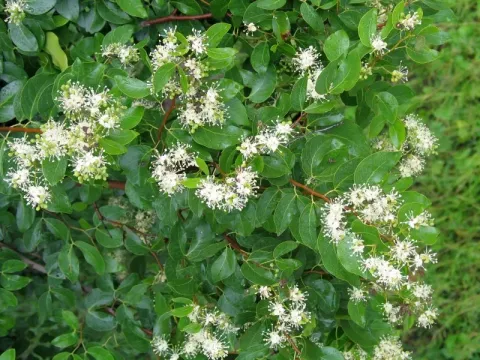
Guibourtia
Guibourtia
Guibourtia is a genus of tropical trees within the Fabaceae family, specifically the subfamily Caesalpinioideae. These trees are native to the tropical regions of Africa and South America, thriving in dense rainforest environments.
What the section contains

Guibourtia
These trees require a consistently warm climate with high annual rainfall to maintain their growth rates. They perform best in areas where humidity levels remain high throughout the year, as they are not adapted to withstand cold or frost.
Soil requirements for Guibourtia focus on well-draining substrates that are nutrient-rich but prevent waterlogging. Good soil aeration is critical, as the roots are sensitive to anaerobic conditions often found in swampy lowland areas.
Botanically, these trees are distinguished by their compound leaves and typical legume fruits. Their growth pattern is relatively slow, but they produce exceptionally dense and durable heartwood, which is highly sought after in international markets.
Commercially, the genus is most famous for its timber, commonly known as Bubinga or Kevazingo. Its wood is highly valued for its aesthetic grain, high density, and strength, making it a premium material for high-end furniture and luthiery.
The primary threats to Guibourtia populations include fungal infections that thrive in the humid forest canopy. These pathogens can cause stem decay and root rot, especially in young saplings struggling to establish themselves.
Wood-boring insects present a constant threat to the structural integrity of the timber. Infestations can lead to significant economic loss, as they damage the wood density and appearance, rendering it unsuitable for high-quality decorative use.
Over-harvesting without sustainable forest management poses a critical risk to the species' survival. Due to the tree's slow maturation, natural regeneration is often unable to keep pace with the demand for its valuable hardwood.
Climate-induced environmental stressors, such as irregular rainfall patterns and prolonged drought, weaken individual trees. Stressed specimens become more susceptible to secondary pest attacks and opportunistic diseases.
Active forestry management is required to mitigate these risks. This includes monitoring for early signs of disease and implementing reforestation programs to ensure that the genetic diversity of the genus is maintained.