
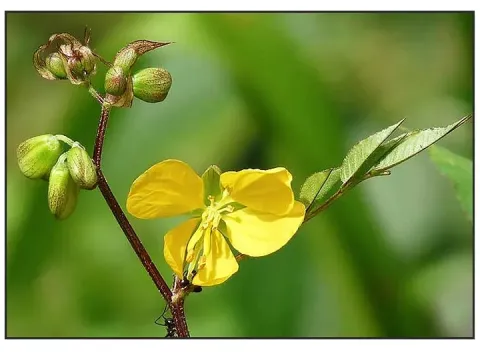
Senna timoriensis
Senna timoriensis
Senna timoriensis is a fast-growing tree species within the Fabaceae family. Native to tropical regions, this plant is recognized for its dense foliage and vibrant yellow flowers, making it a popular choice for both ecological and decorative purposes.
What the section contains
Senna timoriensis
The plant thrives in warm, tropical climates that offer consistent sunshine throughout the year. For optimal development, Senna timoriensis requires full sun exposure, which is crucial for maintaining the plant's vigor and ensuring a prolific blooming cycle.
When it comes to soil, the species is relatively adaptable but performs best in well-drained loamy or sandy substrates. Its symbiotic relationship with nitrogen-fixing bacteria allows it to flourish in soils that may lack high nutrient density, thereby improving overall soil health.
Proper water management is essential; while the plant exhibits some drought tolerance once established, consistent moisture is required for juvenile growth stages. Avoiding waterlogged soil is critical to preventing root issues and ensuring the plant remains healthy.
Agricultural use of Senna timoriensis often centers on reforestation, soil erosion control, and serving as a sustainable element in landscape management. Its rapid growth rate provides quick canopy cover and organic matter replenishment for the soil.
The plant is susceptible to certain lepidopteran larvae that feed on its leaves during the active growing season. Regular visual monitoring of the canopy is recommended to detect any early signs of infestation.
Fungal leaf spot diseases can occur if humidity levels remain excessively high without adequate ventilation. Ensuring proper spacing between trees helps to maintain airflow and mitigates the spread of spores.
Root rot remains a potential threat if the planting site lacks sufficient drainage. Overwatering, especially during cooler or overcast periods, creates an environment favorable for soil-borne pathogens.
Management strategies involve selective pruning of infected parts and maintaining adequate soil nutrition to boost the plant's natural defenses. Healthy, well-nourished trees are significantly more resistant to environmental stressors.
Preventative measures, such as clearing leaf litter from around the base and practicing balanced fertilization, are effective ways to protect Senna timoriensis from common horticultural threats.