
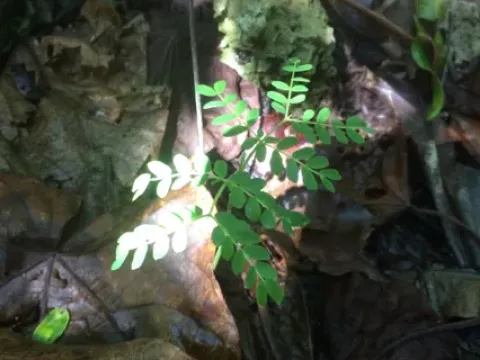
Serianthes
Serianthes
Serianthes is a genus of trees belonging to the Fabaceae family, sub-family Mimosoideae. Naturally distributed across the islands of the Pacific, including Micronesia and Melanesia, these trees are recognized for their elegant, feathery foliage and significant size.
What the section contains


Serianthes
The botanical structure of Serianthes is adapted to warm, humid environments. They typically feature bipinnate leaves and clusters of showy flowers. These trees play a vital role in tropical biodiversity, providing habitat and structure within forest ecosystems.
Climate requirements for this genus are strictly tropical. They thrive in regions where temperature remains consistently high throughout the year. Protecting them from cold drafts and sudden climatic shifts is essential for healthy development and consistent growth cycles.
Soil conditions are a priority, requiring well-draining, loamy substrates rich in organic matter. They do not tolerate waterlogged soils, which can lead to rapid root degradation. Ensuring proper aeration and drainage is the cornerstone of successful cultivation.
Economically, Serianthes is primarily valued for its ornamental role in landscaping and its ability to act as a pioneer species in forest restoration projects. Their nitrogen-fixing capabilities contribute to soil health and long-term land productivity in tropical zones.
Pathogenic fungi are among the most significant threats to Serianthes, especially in nurseries where air circulation might be insufficient. These pathogens often target the vascular system of the tree, leading to decline if not addressed promptly.
Insect pests, such as aphids, mealybugs, and scale insects, frequently infest young shoots and buds. These pests disrupt the tree's growth and can transmit secondary infections, further weakening the overall health of the plant.
Conservation status is a concern for many Serianthes species, as habitat loss and competition from invasive plants have reduced their natural range. Efforts to propagate these trees in botanic gardens are crucial for preventing extinction.
Cultural management should prioritize sanitation, including the removal of dead or infected branches. Maintaining optimal irrigation schedules prevents the excessive humidity that often triggers fungal outbreaks in the tropical environment.
Professional monitoring remains the best defense against pests. Integrated Pest Management (IPM) practices, such as encouraging natural predators, are preferred over synthetic pesticides to maintain the integrity of the surrounding ecosystem.