
Piliostigma
Piliostigma
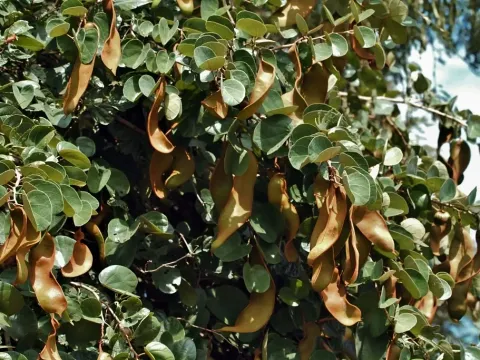
Piliostigma is a genus of trees and shrubs within the Fabaceae family, widely recognized for its adaptation to tropical savanna environments. These plants are known for their distinctively lobed, butterfly-shaped leaves.
What the section contains


Piliostigma
They thrive in climates characterized by distinct wet and dry seasons, demonstrating exceptional drought resistance. The species prefer high light intensity and are commonly found in open woodland habitats.
Regarding soil requirements, Piliostigma is highly adaptable, growing well in sandy, loamy, and even nutrient-poor soils. The plant's ability to fix nitrogen contributes significantly to soil fertility improvement.
Successful cultivation begins with seed scarification to break dormancy caused by a hard seed coat. Sowing should ideally coincide with the onset of the rainy season to ensure proper establishment.
Minimal ongoing maintenance is required once the tree is established, making it an excellent candidate for reforestation and agroforestry systems in challenging tropical regions.
The economic value of Piliostigma is multifaceted, spanning agriculture, medicine, and manufacturing. It serves as a vital resource for communities in its natural range.
Leaves and fruit pods are frequently used as high-protein fodder for livestock, maintaining animal health during periods when green grass is unavailable in the savanna.
The bark and roots are rich in tannins, which have been utilized for centuries in traditional leather tanning processes and as a source of natural dyes for textiles.
The wood is dense and durable, making it suitable for construction, furniture making, and as a primary source of high-quality charcoal for cooking and heating.
Medicinal applications of Piliostigma extracts include the treatment of infections and inflammatory conditions. Research continues to explore the bioactive compounds present in the plant for pharmacological use.
Piliostigma is susceptible to termite attacks, which can compromise the structural integrity of the roots and trunk, particularly in young or stressed trees.
Fungal pathogens can affect the foliage and bark, especially in areas with poor drainage or during prolonged periods of high humidity which facilitate disease spread.
Overgrazing by livestock represents a significant threat to natural regeneration, as animals frequently consume young seedlings before they reach a resistant growth stage.
Periodic savanna fires, while part of the natural ecosystem, can kill juvenile plants, requiring protection efforts if the species is being cultivated for economic gain.
To ensure healthy growth, cultivators should monitor for leaf-eating insects and prevent waterlogging around the root zone, which inhibits the beneficial symbiotic nitrogen fixation.