
Malabar bauhinia
Piliostigma malabaricum
Description
Growing requirements
The Malabar bauhinia (Piliostigma malabaricum) is a significant tree species within the Fabaceae family, native to the tropical regions of Southeast Asia. It is valued both for its ecological role and its utility in traditional agricultural systems.
This species thrives in a variety of well-drained soils, ranging from sandy loams to clay soils. It is notably resilient to drought, which makes it an excellent candidate for reforestation efforts in degraded tropical environments where water availability is inconsistent.
The plant requires full sun exposure to maintain vigorous growth and produce abundant flowers. While it can withstand periods of dry weather, it prefers consistent warmth and thrives in environments with high annual precipitation typical of its native range.
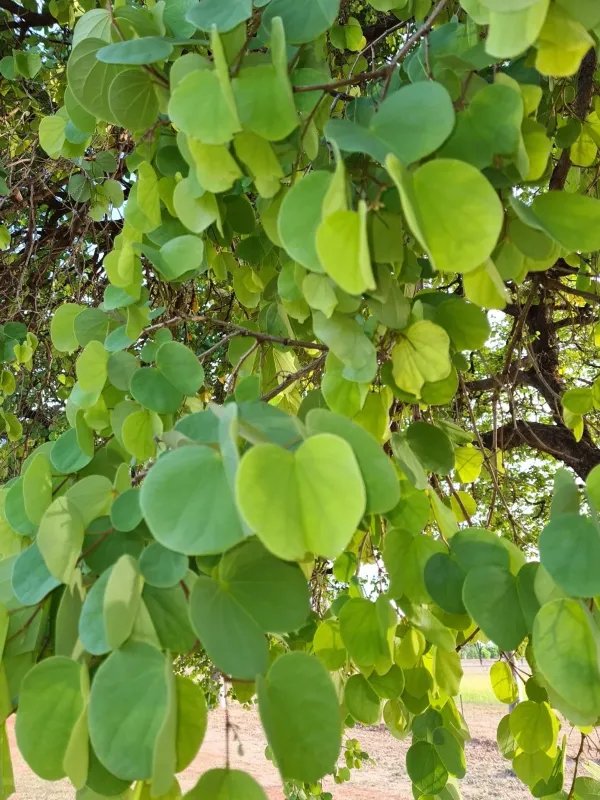
Botanically, it is recognized by its distinctive bifoliate leaves and large, flat, brownish pods. The tree is capable of nitrogen fixation, which contributes to soil fertility, making it a beneficial species for mixed-cropping systems or agroforestry.
Economically, the tree is highly versatile. Its timber is durable and used in construction, while various parts of the plant, including leaves and bark, are rich in tannins and are extensively utilized in traditional medicine for their therapeutic properties.
Main diseases and pests
Malabar bauhinia is generally robust, but it can be susceptible to fungal leaf spot diseases, particularly in environments with stagnant air and high humidity levels.
Young trees are often targeted by defoliating insects and aphids, which can inhibit the establishment of seedlings. Monitoring for early signs of infestation is crucial during the nursery phase.
Root rot represents a significant threat if the tree is planted in areas with poor drainage, as the roots are sensitive to waterlogging, which compromises the tree's health.
Effective management includes regular pruning to enhance aeration within the canopy, which helps to reduce the incidence of fungal growth and improves overall structural stability.
Integrated pest management strategies are recommended, focusing on maintaining biodiversity around the cultivation site to encourage natural predators of common plant pests.