
Piliostigma reticulatum
Piliostigma reticulatum
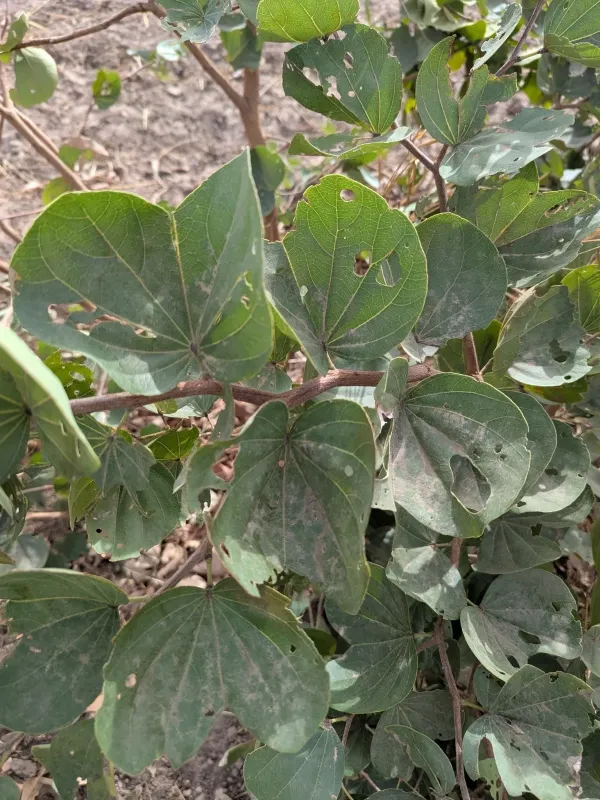
Description
Sowing dates
Piliostigma reticulatum is typically propagated through seeds, which are known for their hard seed coat. Scarification of the seeds is mandatory to ensure uniform and efficient germination rates.
The optimal time for sowing is at the onset of the rainy season, allowing the seedlings to establish a deep root system before the dry period sets in.
Seeds are sown at a shallow depth of 1 to 2 centimeters in loose, well-draining soil to facilitate the emergence of the radicle without unnecessary stress.
Nursery propagation is also common, where seeds are started in containers to allow for better initial care and monitoring before they are transplanted to their final location.
Young plants exhibit rapid growth if kept free from weed competition, which is crucial during the first few months of the plant's development cycle.
Growing requirements
Belonging to the Fabaceae family, this species is highly adapted to tropical savanna environments, thriving in sandy and well-draining soil types.
It possesses excellent drought tolerance, making it an essential species for reforestation and land rehabilitation projects in arid and semi-arid African regions.
The plant requires full sun exposure for optimal photosynthesis; it does not perform well in shaded conditions and should be planted in open areas.
Temperature requirements range from 20 to 35 degrees Celsius, as the plant is sensitive to frost and restricted to tropical or subtropical climates.
As a nitrogen-fixing legume, it improves soil fertility by enriching the substrate with nitrogen, which benefits surrounding intercropped plants in agroforestry systems.
Yield
The primary agricultural use of Piliostigma reticulatum is the extraction of fibers from the bark, which is used for manufacturing traditional ropes, mats, and baskets.
Leaves and fruit pods are highly valued in ethnomedicine due to their antibacterial and anti-inflammatory properties, serving as a basis for various natural remedies.
The wood is utilized as a durable fuel source and as a structural material for basic rural construction, showing good resistance to termite attacks.
As a honey-producing plant, it plays a vital role in local apiculture, providing pollen and nectar for bees in regions where other forage may be scarce.
Furthermore, the leaves are often collected to serve as fodder for livestock, significantly supporting animal husbandry during the peak of the dry season.
Main diseases and pests
Piliostigma reticulatum is generally robust and resistant to many pathogens, thanks to the high tannin concentration within its bark and leaves.
However, young saplings may be susceptible to defoliation by grasshoppers and various leaf-eating beetles, especially during the peak growth season.
Poor drainage or waterlogging can lead to fungal infections and root rot, which are significant threats if the plant is established in the wrong soil type.
Weed competition remains the most critical management challenge, as weeds can significantly stunt the growth of young trees if not controlled systematically.
Regular monitoring of plant health and the implementation of organic pest control methods are recommended to maintain the long-term productivity of the stand.
Harvesting
Bark harvesting is best performed during the active growing season, which allows for easier separation of the fiber-rich layer from the woody trunk.
Leaf collection is conducted by manual harvesting, targeting mature leaves to ensure the highest quality of chemical constituents for medicinal or forage purposes.
Fruit pods are gathered after they have fully matured and dried naturally on the branches, facilitating easy seed extraction and storage.
Systematic pruning is recommended to encourage the production of new shoots, which increases the sustainable yield of fiber and biomass over time.
Proper sun-drying techniques are employed post-harvest to preserve the quality of the harvested materials and prevent microbial spoilage during storage.