
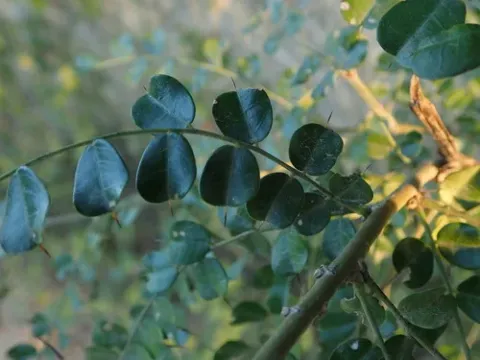
Pictetia
Pictetia
Pictetia is a genus of flowering plants in the legume family, Fabaceae. These woody species are native to the Caribbean region, where they have adapted to thrive in diverse tropical environments, particularly in arid and semi-arid zones.
What the section contains

Pictetia
The plant exhibits remarkable resilience, functioning as a drought-tolerant species. It thrives in full sunlight, which is essential for maintaining its robust structural development and healthy foliage production in its natural habitats.
Successful cultivation requires soil that is characterized by excellent drainage. These plants are sensitive to waterlogged conditions, which are detrimental to their root systems, making gravelly or limestone-rich soils the most suitable substrate.
Regarding climatic needs, Pictetia demands consistently warm temperatures throughout the year. It possesses little to no frost tolerance, which restricts its viable outdoor cultivation range to tropical and frost-free subtropical climates.
In agricultural practice, Pictetia is valued for its nitrogen-fixing capabilities. By establishing symbiotic relationships with soil bacteria, the plant effectively enhances soil nitrogen levels, providing a biological boost to the surrounding ecosystem.
The primary health issues for Pictetia revolve around fungal infections, typically triggered by improper irrigation and poor soil aeration. Root rot is a significant concern that can rapidly compromise the health of the plant.
Pest populations, including various species of aphids and scale insects, frequently target the succulent parts of the plant. These pests feed on sap, which may stunt growth and weaken the plant's overall defense mechanisms against disease.
Leaf spot diseases are common when humidity levels remain high for extended periods without sufficient ventilation. Implementing regular canopy management practices, such as pruning, helps mitigate the risk of fungal spread.
Nematode infestations can occur in the soil, affecting the nutrient uptake of the root system. Proper site preparation and the use of healthy, disease-free seedlings are fundamental strategies for reducing these subterranean threats.
Regular agronomic monitoring is necessary to identify early signs of stress or infestation. Prompt intervention, whether through pruning or targeted treatments, is essential to maintain the long-term vigor of the cultivated stock.