
Piliostigma thonningii
Piliostigma thonningii
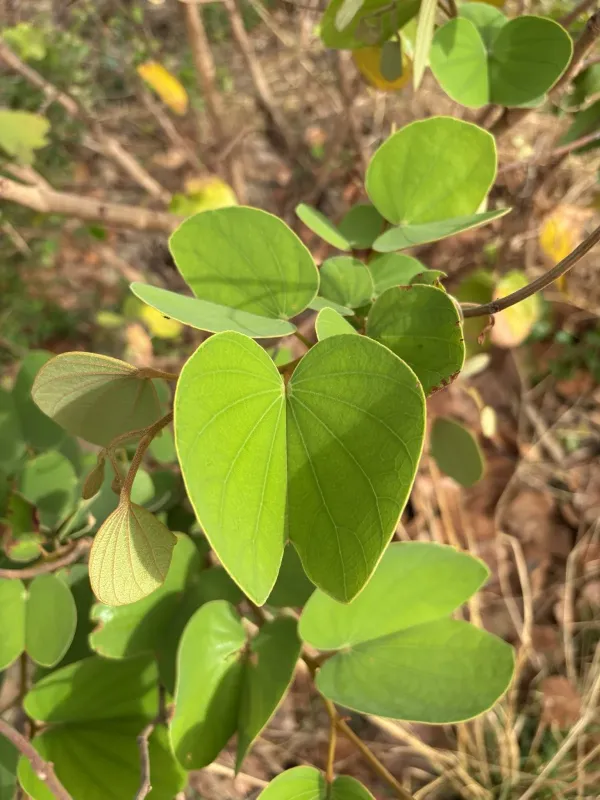
Description
Sowing dates
Propagation of Piliostigma thonningii is primarily done through seeds, which feature a hard seed coat that necessitates pretreatment for successful germination.
Scarification, such as nicking the seed coat or soaking in warm water for 24 hours, is essential to allow moisture absorption and stimulate the embryo.
Seeds are usually sown in polybags in a nursery setting at the onset of the rainy season to ensure optimal moisture availability during the early growth phase.
Transplanting to the field is performed once the seedlings reach a height of approximately 30 to 40 centimeters, showing vigorous root development.
Weed management around the base of the young tree is critical in the first year, as the species grows slowly and is easily outcompeted by aggressive grasses.
Growing requirements
Piliostigma thonningii is a member of the Fabaceae family, widely recognized for its ecological role in African savanna and woodland ecosystems.
The tree is remarkably hardy and tolerant of poor, shallow, and infertile soil conditions, often serving as a pioneer species for reforestation efforts.
It thrives in tropical climates characterized by distinct wet and dry seasons, exhibiting high resistance to drought and environmental stress.
Full sunlight is preferred for maximum biomass production, although the species demonstrates some shade tolerance during its very early seedling stage.
It does not have strict soil pH requirements, growing effectively across a variety of substrates provided the drainage is adequate to prevent root rot.
Yield
The tree provides substantial utility as a fodder crop, with its leaves and pods being highly palatable to cattle, goats, and sheep during dry seasons.
Its timber is utilized for tool handles, construction poles, and heavy-duty stakes, valued for its durability and resistance to various environmental elements.
Roots and bark possess medicinal properties, traditionally used for treating inflammatory conditions, coughs, and gastrointestinal issues in humans.
The tree functions as a nitrogen-fixing species, which significantly enhances soil fertility for intercropped food crops in agroforestry systems.
Fiber obtained from the inner bark can be processed into rope and cordage, serving as a secondary economic product for local communities.
Main diseases and pests
Seed-boring insects, particularly bruchid beetles, are a significant threat, often damaging a high percentage of the seeds while they are still in the pods.
Fungal pathogens causing leaf spots can reduce the photosynthetic efficiency of the canopy during periods of high humidity and rainfall.
Parasitic plants, such as various species of Loranthaceae, frequently infest the tree, sapping its nutrients and causing branch dieback.
Termites present a threat to seedlings and young trees, especially in sandy soils where root protection is minimal against these pests.
Uncontrolled harvesting of bark for medicinal purposes often leads to trunk girdling, which can kill the tree if practiced intensively.