
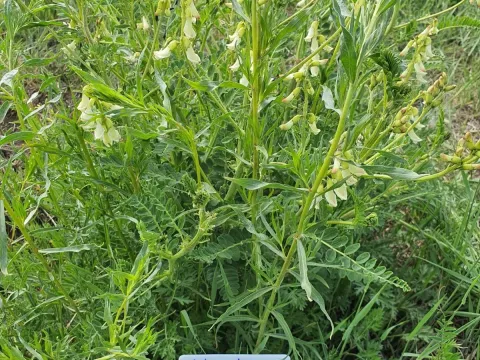
Mongolian milkvetch
Astragalus mongholicus
The seeding of Mongolian milkvetch is typically performed in early spring once soil temperatures reach 10–12°C. Due to the hard seed coat, scarification or pre-soaking in growth stimulants is mandatory to ensure uniform and rapid germination rates.
What the section contains
Mongolian milkvetch
Seeds should be sown at a depth of 1.5–2 cm. When using row planting, maintaining a distance of 45–60 cm between rows is recommended to allow the perennial root system sufficient room to expand over the coming years.
During the first year, the crop exhibits slow growth, focusing on root development rather than biomass. Maintaining a weed-free environment is critical during this establishment phase to prevent competition for essential nutrients and sunlight.
The seeding rate varies between 6 and 8 kilograms per hectare depending on seed quality. Proper plant density prevents overcrowding, which can otherwise lead to stunted development and increased susceptibility to various pathogens.
As a perennial crop, a single planting can remain productive for up to 10 years. After the plantation is fully harvested, a break of at least 4 years is necessary before returning the field to this crop to ensure soil health.
Mongolian milkvetch thrives in well-drained, loose, sandy loam or light loam soils. Soils must have a neutral or slightly alkaline pH, as highly acidic or waterlogged environments significantly inhibit root growth and may induce decay.
The plant is noted for its winter hardiness and tolerance to moderate drought conditions. However, adequate irrigation during the initial establishment years is essential to guarantee the formation of a robust, high-quality root system.
High solar radiation levels are vital for this plant. It should be grown in open, sunny areas to maximize the accumulation of active compounds, such as polysaccharides and saponins, which are essential for its medicinal value.
Deep plowing before sowing is essential to allow the taproot to penetrate the soil deeply. Incorporating organic matter and phosphorus-rich fertilizers can significantly enhance root volume and overall crop productivity.
As a member of the Fabaceae family, it forms a symbiotic relationship with nitrogen-fixing bacteria. In new fields, inoculating seeds with specific bacterial strains can improve nitrogen uptake and reduce the need for synthetic nitrogen fertilizers.
The economic value of Mongolian milkvetch is determined by the yield of dried roots. The crop reaches its peak medicinal quality and biomass yield between the third and fourth years of growth.
Average yields range from 1.5 to 3 metric tons of dried root per hectare. Achieving these levels depends heavily on consistent moisture levels, proper weed management, and the overall fertility of the soil.
Quality parameters are measured by the concentration of active constituents. Proper management of soil nutrients and irrigation schedules during the vegetative phase can directly influence the chemical profile of the harvested roots.
Continuous monitoring of the plantation is required to detect any developmental issues early. Professional sorting of the harvest is necessary to ensure the final product meets international pharmaceutical standards.
Genetic potential plays a significant role in yield; therefore, using certified high-quality seed varieties is recommended. This approach ensures adaptation to local environmental stressors and higher resistance to common diseases.
Fungal diseases, specifically powdery mildew and root rot, represent the primary threats to plantation health. These are often exacerbated by poor drainage or excessive humidity during the growing season.
Insect pests such as aphids and various types of root weevils can cause substantial damage. They often feed on tender foliage or root crowns, leading to reduced vigor and creating entry points for secondary infections.
An integrated pest management strategy is the most effective approach. This includes crop rotation, avoiding over-densified plantings, and using eco-friendly biological control agents to manage populations of harmful insects.
Proactive prevention of waterlogging is the most critical step in managing root rot. Ensuring the field has optimal drainage prevents the anaerobic conditions required by most root-decaying fungi to thrive.
Regular field scouting using pheromone traps can help detect pest outbreaks before they reach economic damage thresholds. Timely intervention with selective treatments ensures the medicinal quality remains uncontaminated.
The harvest occurs in late autumn, when the aerial parts of the plant begin to naturally wither. This timing is essential, as the root system holds the highest concentration of active compounds during the dormant winter phase.
Mechanical harvesting involves using specialized deep-tillage plows to lift the root system from the soil. Care must be taken to minimize snapping or bruising the roots, which can lead to degradation during the drying process.
Post-harvest cleaning is mandatory to remove all soil particles and impurities. The roots are thoroughly washed under running water and then sorted by size, ensuring only healthy, high-quality material is sent for drying.
Drying must be conducted in controlled environments with temperatures maintained between 40°C and 60°C. Excessive heat must be avoided, as it can destroy sensitive therapeutic compounds that are vital for the product's efficacy.
Dried roots should be packaged and stored in a cool, dry, and well-ventilated facility. Properly stored, the raw material can maintain its quality and potency for several years, ensuring long shelf life for industrial processors.