
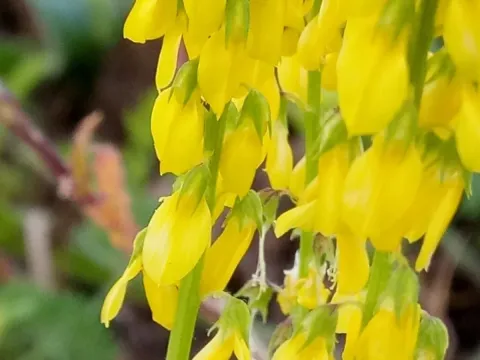
Annual yellow sweet clover
Melilotus segetalis
Annual yellow sweet clover is a robust member of the Fabaceae family. Planting should take place in early spring as soon as the soil is workable to ensure the crop takes full advantage of seasonal soil moisture.
What the section contains
Annual yellow sweet clover
The seeding rate typically ranges from 12 to 16 kg per hectare, depending on the planting method. It is essential to scarify seeds prior to planting to break the hard seed coat and improve germination rates significantly.
Seeds should be planted at a shallow depth of 2–3 centimeters. In sandy or loose soil, slightly deeper planting can be used to ensure the seeds remain in contact with enough moisture to sprout effectively.
After seeding, rolling the field is a recommended practice to improve soil-to-seed contact. This step is crucial for achieving uniform germination, especially in drier environments where moisture loss can occur rapidly.
The species exhibits vigorous early growth, which gives it a competitive edge against weeds. By establishing itself quickly, it reduces the need for extensive chemical weed control during the growing season.
This crop is highly prized for its adaptability to challenging soil conditions, including saline, rocky, and low-fertility soils. It performs exceptionally well where other legumes struggle to survive.
Annual yellow sweet clover is recognized for its superior drought tolerance and heat resistance. Its deep taproot system allows it to reach subsoil water, making it a reliable choice for arid regions.
The plant is highly photophilic and requires full sun exposure for optimal development. Shaded areas lead to reduced biomass production and a decrease in the quality of the green matter produced.
While it thrives on fertile black soils with a neutral pH, it is surprisingly tolerant of alkaline conditions. This makes it an ideal candidate for soil reclamation projects in degraded agricultural zones.
Proper drainage is necessary for healthy growth, as the plant does not tolerate waterlogged soils. Excess moisture can lead to root rot and poor nitrogen fixation, inhibiting the plant's overall development.
In optimal conditions, the yield of green mass can reach 200–300 quintals per hectare. This high productivity is a result of the plant's rapid vegetative development during the temperate spring months.
Seed production is generally estimated at 5 to 10 quintals per hectare. To maximize yields, it is beneficial to promote the presence of pollinators in the vicinity of the fields during the flowering period.
Used as a cover crop or green manure, it contributes significant amounts of nitrogen and organic matter to the soil. This practice helps to rejuvenate soil health and enhances the yield of subsequent cash crops.
The peak nutritional value is reached at the onset of flowering. Harvesting at this stage ensures the highest concentration of crude protein and essential vitamins for livestock feed production.
Regular applications of phosphorus and potassium fertilizers can further enhance growth, though nitrogen fertilization is rarely needed due to the plant's efficient symbiotic nitrogen fixation.
The most common pests affecting this clover are clover root curculios, which can cause significant damage by feeding on both leaves and root systems. Young seedlings are particularly vulnerable to these infestations.
Aphids represent another common challenge, as they colonize the shoots and flowers, sucking sap and weakening the plants. Large aphid populations can also facilitate the spread of secondary plant viruses.
Fungal diseases such as powdery mildew and various leaf spot pathogens are prevalent, especially in humid or poorly ventilated fields. These infections can significantly reduce the marketability of the forage.
Integrated pest management, including crop rotation and the destruction of nearby weeds, is recommended to keep pest populations below damaging levels. Chemical interventions should be used only as a last resort.
Maintaining high-quality seeds and using certified disease-free material helps prevent the introduction of soil-borne pathogens, ensuring a healthier and more resilient stand of the crop.
Harvesting for forage should occur at the beginning of the flowering phase. This timing provides the best balance between quantity of biomass and the quality of the harvested feed.
During the hay-making process, gentle handling is required to prevent the loss of leaves, which are the most nutrient-dense part of the plant. Retaining the foliage is essential for high-quality animal feed.
Seed harvest is initiated once the pods on the lower and middle parts of the racemes turn brown. Harvesting promptly is vital, as the seeds have a tendency to shatter and drop easily when over-matured.
Both direct combining and swathing methods are effective, depending on local climate conditions. Swathing allows for uniform drying and ripening, which is beneficial in regions with unpredictable weather patterns.
Post-harvest processing involves thorough cleaning and drying to reach a moisture content below 14%. Proper storage in dry, well-ventilated bins is essential to preserve seed viability for the following season.