
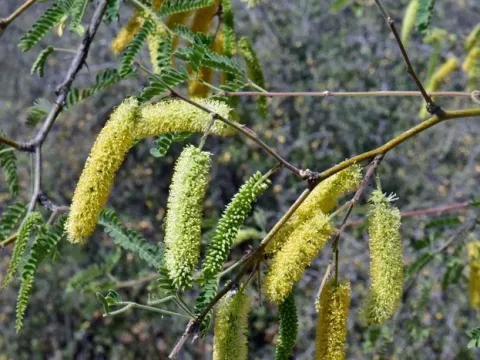
Anonychium
Anonychium
Anonychium is a genus belonging to the Poaceae family. Sowing typically occurs in the spring when soil temperatures have consistently reached a level that supports germination, usually between 10 and 12 degrees Celsius.
What the section contains

Anonychium
Careful selection of the field is crucial; the crop performs best in well-lit areas. The sowing depth should be maintained between 2 and 3 centimeters to facilitate uniform emergence across the field, ensuring strong seedlings.
Row planting with a spacing of 15 to 20 centimeters is recommended to ensure optimal plant density and adequate space for nutrition. This configuration also allows for easier mechanical weed control during the early stages of growth.
Rolling the soil after planting is an important agronomic practice to improve contact between seeds and the soil, which significantly increases the percentage of field germination, especially under dry conditions.
Proper scheduling is vital to maximize the use of soil moisture stored during the winter. Timely sowing allows the crop to establish its root system before the onset of higher temperatures or dry spells.
This crop thrives in fertile loamy or sandy-loam soils with a neutral pH level. Soil structure is essential, and good drainage is required to prevent waterlogging, which the plant is highly sensitive to during its developmental stages.
Nutrient management is key for success. The application of balanced fertilizers, particularly focusing on nitrogen during early vegetative stages, encourages vigorous growth and helps in the formation of healthy foliage.
The plant demonstrates moderate drought tolerance but requires consistent moisture during critical periods such as stem elongation and heading. In regions with insufficient rainfall, supplementary irrigation may be necessary to maximize yields.
Anonychium prefers a temperature range of 18 to 24 degrees Celsius. Sudden temperature fluctuations can stress the plants and negatively impact their reproductive capacity and overall development.
Regular maintenance of the soil, such as inter-row cultivation, improves aeration. This practice encourages microbial activity and helps create an optimal environment for root development, leading to stronger plants.
Yield potential in Anonychium is heavily dependent on the precision of cultivation practices. Achieving a high-quality harvest requires strict adherence to fertilizing and weed control protocols throughout the season.
The density of the plant stand is a primary factor in yield determination. Optimizing the number of plants per square meter reduces intra-specific competition, allowing each plant to reach its full productive capacity.
Climatic variables throughout the growing season play a significant role. A stable climate with optimal distribution of sunlight and precipitation generally correlates with higher grain quality and increased total yield.
Regular monitoring of crop health helps identify potential issues early. Effective field management and timely interventions ensure that the plants reach their full yield potential without significant losses.
Post-harvest analysis of the crop is recommended to evaluate the efficacy of the season's agronomic decisions. This data serves as a foundation for improving cultivation strategies in subsequent cycles.
Like many grasses, Anonychium is vulnerable to fungal pathogens, including leaf spots and root rots. Seed treatment before planting is a fundamental preventive measure against early-stage diseases.
Insect pests, such as cereal flies and aphids, can cause substantial damage during the early vegetative phase. Integrated Pest Management (IPM) strategies, including biological controls, are recommended to maintain plant health.
Weed competition remains a major constraint. Utilizing selective herbicides or mechanical weeding methods is necessary to prevent weeds from suppressing the growth of the main crop during its most vulnerable phase.
Crop rotation is an essential strategy to break the life cycles of specific pests and pathogens. Planting Anonychium after legume predecessors can significantly improve soil health and reduce disease pressure.
Vigilant field scouting is necessary to detect outbreaks early. Proactive management reduces the reliance on heavy chemical applications, making the production process more sustainable and cost-effective.
Harvesting is executed during the wax-ripening stage of the grain. Monitoring moisture content is critical, as the crop should be harvested before the seeds become prone to shattering.
Direct combining is the preferred method when weather conditions permit. Equipment must be calibrated specifically for the crop to ensure minimal mechanical damage to the harvested grain during the threshing process.
Following the harvest, immediate cleaning and drying of the grain are required to reach the target moisture content. Proper storage conditions are essential to prevent the development of mold and degradation of grain quality.
The logistics of transport and storage play a vital role in maintaining the product's final quality. Ensuring a clean environment during storage protects the crop from moisture and potential pest infestations.
By implementing efficient harvest techniques, growers can ensure that the majority of the produce is suitable for processing or sale, ultimately contributing to the economic viability of the farm.