
Andira surinamensis
Andira surinamensis
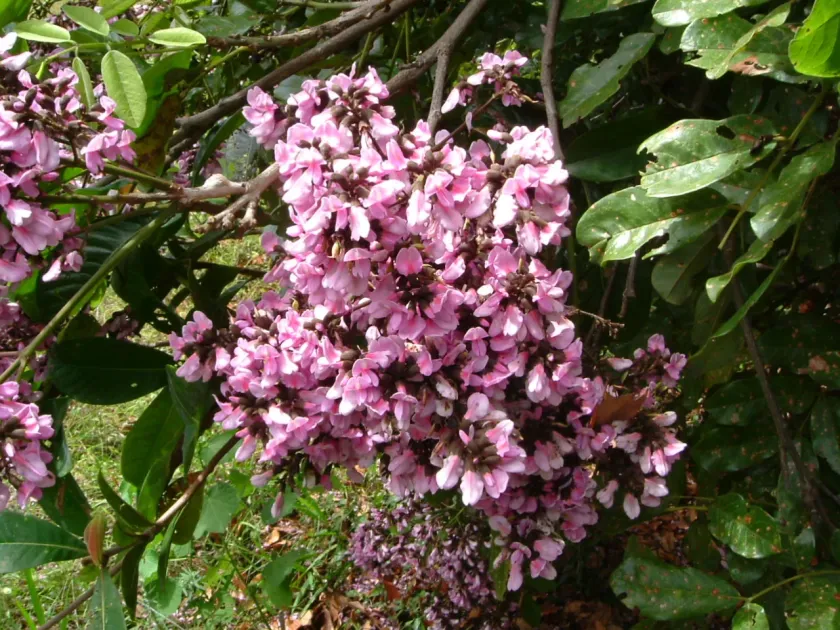
Description
Growing requirements
Andira surinamensis is a tropical tree species belonging to the Fabaceae family, widely recognized for its robust nature and significant presence in South American forest ecosystems.
This species naturally inhabits humid tropical lowlands, where consistent rainfall and high temperatures throughout the year support its vigorous growth and development.
Cultivation requires deep, fertile, and well-drained soils; the plant is particularly sensitive to waterlogging, which can cause significant damage to the root system.
Optimal growth is achieved in environments with full sun exposure, although saplings may benefit from partial shade to establish themselves during their early development stages.
Agrotechnical practices involve careful site selection to avoid areas with extreme wind exposure, as well as maintaining a stable soil moisture balance through mulching.
Yield
The primary economic value of Andira surinamensis lies in its high-quality, dense timber, which is highly sought after for its natural resistance to decay and insects.
Due to its physical properties, the wood is frequently used in heavy construction, furniture manufacturing, and the production of specialty flooring and outdoor decking.
In addition to timber, the tree serves a vital role in agroforestry systems by contributing to soil nitrogen enrichment, a characteristic trait of many leguminous species.
Historical ethnobotanical records indicate that various parts of the plant have been used in traditional remedies, though scientific research in this field is ongoing.
The species also contributes significantly to local biodiversity, providing habitats for various avian and insect populations within its natural range.
Main diseases and pests
The health of Andira surinamensis plantations can be compromised by various fungal pathogens that thrive in high-humidity tropical conditions, leading to leaf spot or root rot.
Insect pests, such as wood-boring beetles, pose a direct threat to the tree's timber value by creating galleries that compromise the structural integrity of the trunk.
Root-knot nematodes may present a challenge in sandy soil types, potentially stunting the growth of young trees and reducing their overall vigor.
Effective management includes maintaining proper tree spacing to promote air circulation and performing regular health inspections to identify outbreaks early.
Integrated pest management strategies are recommended, focusing on maintaining soil health and using organic methods to strengthen the tree's natural resistance.