
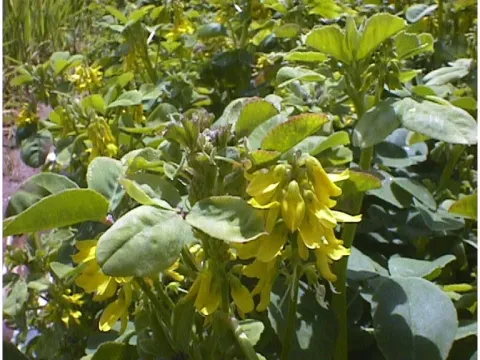
Melilotus infestus
Melilotus infestus
Melilotus infestus is a legume species often managed for its forage and soil improvement properties. Sowing typically takes place in early spring, once the soil has reached an adequate temperature for germination and the danger of severe frost has passed.
What the section contains
Melilotus infestus
Due to the hard seed coat characteristic of many legumes, scarification is a crucial step prior to sowing to ensure high germination rates. Proper seed preparation prevents delayed emergence and ensures a uniform stand across the agricultural field.
The optimal seeding depth is shallow, ranging from 2 to 3 centimeters, to facilitate rapid growth. Post-sowing soil compaction is highly recommended to establish excellent seed-to-soil contact, which is vital for moisture uptake in drier spring periods.
In regions with favorable autumn conditions, late-season sowing can also be productive. This allows the plants to establish a robust root system before the onset of winter dormancy, leading to vigorous growth in the following spring season.
Drill seeding is generally preferred to ensure optimal seed spacing. Adjusting the seeding rate based on seed quality and soil preparation is essential to reach the desired target density and maximize biomass production.
Melilotus infestus performs best in well-lit, open environments. It is a heliophilic species that requires full sun exposure to reach its full development potential and avoid the negative effects of shading, such as thinning or weak stems.
The species is remarkably adaptable to various soil types, showing tolerance to slightly saline, calcareous, or degraded soils. However, deep, well-drained loamy soils offer the best environment for maximizing biomass and root health.
One of the primary benefits of this crop is its exceptional drought resistance, attributed to its deep taproot. It can thrive in semi-arid conditions where other forage crops might fail due to lack of surface moisture.
It demonstrates strong resilience to wide temperature variations. The species is winter-hardy and can withstand significant seasonal fluctuations, making it a reliable crop for diverse geographic and climatic zones.
As a legume, it relies on symbiotic nitrogen-fixing bacteria. If the crop is introduced to a new field, soil inoculation with specific Rhizobium strains is recommended to ensure the plant can efficiently utilize atmospheric nitrogen.
The biomass yield of Melilotus infestus is primarily driven by soil nitrogen status, available moisture, and the timing of the first cut. When managed correctly, it provides a consistent supply of forage for livestock throughout the growing season.
The nutritional profile of the harvested forage is highly valued, particularly when cut at the early flowering stage. This timing optimizes the protein content and overall digestibility of the feed for various classes of livestock.
Beyond forage, the plant is an excellent choice for green manure. The biological accumulation of nitrogen in the roots enhances soil fertility, providing a significant boost to subsequent crops in the rotation cycle.
Seed production represents another valuable agricultural output. The plant is highly attractive to pollinators, and commercial growers often integrate beekeeping with seed production to benefit from increased pollination efficiency.
Overall economic returns are bolstered by the low input requirements of the species. It typically requires minimal fertilization and chemical intervention, making it a cost-effective option for sustainable farming practices.
Early stage development is most vulnerable to insect pests like weevils and aphids. Monitoring the crop during the first few weeks after emergence is essential for identifying potential pest issues before they cause significant damage.
Fungal diseases, such as powdery mildew, may emerge under high humidity or poor ventilation conditions. Maintaining appropriate plant density through accurate seeding rates is the most effective preventative measure against these infections.
Root rot pathogens pose a risk, particularly in fields with poor drainage or chronic waterlogging. Improving soil structure and aeration is critical to preventing the decline of root health and ensuring long-term crop vitality.
Weed management is a priority during the first year of growth. Once the stand is established, it becomes highly competitive; however, keeping the area clean of weeds during the initial establishment phase is necessary for success.
Rodent pressure, especially during dormant winter months, can impact survival rates. Integrated pest management strategies should include monitoring for signs of rodent activity near the field margins to prevent severe mechanical injury.
Harvesting for forage is most efficient when the plants are in the budding or early flowering stages. This phase maximizes the balance between quantity and nutritional quality, ensuring the best value from the harvested crop.
Proper harvest technique involves cutting and allowing the material to wilt in the field before baling or ensiling. This reduction in moisture content is essential for long-term storage and preventing the growth of spoilage molds.
Seed harvesting should be timed carefully to avoid shattering, as the pods are prone to opening at full maturity. Working during early morning hours can help reduce seed loss due to pods shattering upon contact with harvesting machinery.
Post-harvest processing involves cleaning and drying the seeds to reach standard moisture content. Correct storage conditions, including cool and dry environments, are required to maintain seed viability until the next sowing season.
Residue management is the final step in the harvest cycle. Incorporating the remaining plant biomass into the soil acts as an organic amendment, further enhancing soil carbon levels and improving structure for future agricultural activities.