
Melanoxylon
Melanoxylon
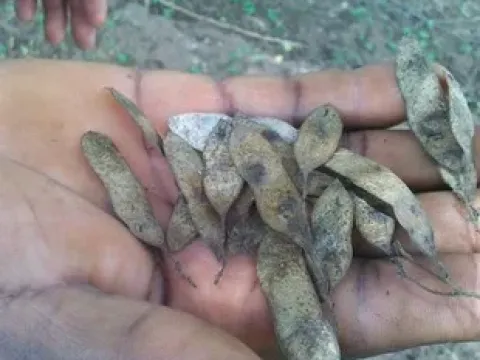
Melanoxylon (Melanoxylon brauna) is a tree species belonging to the Fabaceae family. Native to the Atlantic Forest regions of Brazil, it is highly regarded for its dense, dark, and exceptionally durable timber.
What the section contains

Melanoxylon
The tree requires a warm, tropical climate to thrive. It is extremely sensitive to frost and cold drafts, meaning that successful cultivation is only possible in regions that maintain high temperatures throughout the year.
Soil requirements involve well-drained, fertile, and deep soils. The species does not tolerate waterlogged conditions, making proper land preparation and drainage essential before establishing any plantation.
Regarding light, the species performs best in full sun, which helps in reaching its maximum growth potential. While it can survive in partial shade during early life stages, optimal development occurs in open areas.
Maintenance involves regular monitoring of soil nutrients and pH levels. As a legume, it contributes to nitrogen fixation, though supplementary fertilization may still be necessary in poor soils to ensure rapid initial growth.
The main economic use of Melanoxylon is the production of high-quality timber. Known as 'brauna', the wood is prized for its extreme hardness, making it a preferred choice for high-end furniture, construction, and fine woodwork.
Harvesting is a long-term endeavor. Due to the tree's slow growth rate, foresters must manage stands with a long-term perspective, ensuring sustainable harvest cycles that allow for natural regeneration.
The wood's natural resistance to decay and insects makes it highly valued for outdoor projects and marine construction, where durability against environmental factors is a critical requirement.
Post-harvest processing involves controlled seasoning. Because the timber is so dense, kiln drying must be performed with precision to prevent warping or checking of the valuable planks.
The ecological role of Melanoxylon extends beyond timber, as it serves as a keystone species in reforestation projects, restoring soil fertility and supporting local fauna in its native habitats.