
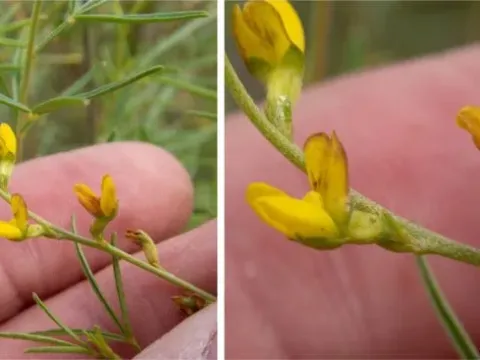
Melolobium
Melolobium
Melolobium is a genus of shrubs and herbaceous perennials belonging to the Fabaceae family. Native primarily to the arid and semi-arid regions of Southern Africa, these plants have evolved specific mechanisms to survive in water-stressed environments.
What the section contains


Melolobium
The botanical structure of Melolobium typically includes trifoliate leaves and distinctive yellow or purple inflorescences. Its root system is particularly well-developed, designed to stabilize the plant in sandy substrates and absorb moisture from deep soil layers.
For successful cultivation, well-drained soil is essential. The plant thrives in sandy or loamy textures where oxygen can easily reach the roots. Heavy, waterlogged soils must be avoided as they significantly increase the risk of root pathogens.
Regarding climate, Melolobium requires high light intensity and long growing seasons. It is not frost-tolerant, meaning its cultivation is generally restricted to temperate and tropical regions where temperature fluctuations remain within moderate limits.
In terms of agricultural utility, it serves as a nutritious forage plant in native rangelands. Due to its nitrogen-fixing capabilities, it contributes to soil enrichment, making it a viable candidate for sustainable land restoration projects.
Root rot caused by fungal infections is the most significant threat to Melolobium when exposed to excessive soil moisture. Proper field drainage is the primary defense strategy against these soil-borne pathogens.
Various insect pests, such as aphids and curculionid beetles, represent a persistent challenge for legume crops like Melolobium. They can damage both the foliage and the root nodules, negatively impacting the plant's growth and survival rate.
Powdery mildew can occur in dense stands with poor airflow. Maintaining proper spacing during planting helps mitigate the risk of fungal spread by ensuring that the canopy remains sufficiently ventilated.
Competition from invasive weeds during the seedling stage is a critical issue that must be managed. Early intervention through manual or mechanical weeding is often required to ensure the crop establishes itself effectively.
Integrated pest management strategies are recommended to maintain plant health, focusing on biological controls rather than heavy chemical usage, which could harm the symbiotic bacteria associated with the plant roots.