
Medicago soleirolii
Medicago soleirolii
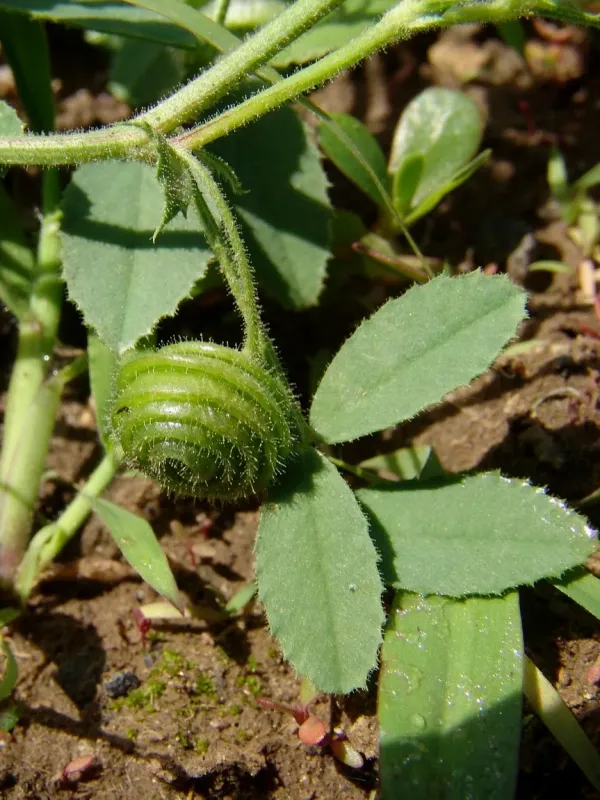
Description
Sowing dates
Medicago soleirolii belongs to the Fabaceae family and is recognized as a hardy perennial legume naturally occurring in specific Mediterranean environments.
The sowing period typically occurs in early spring when soil temperatures reach stable levels sufficient for the germination of small leguminous seeds.
Proper seed placement is essential for successful establishment, with an optimal depth of one to two centimeters ensuring adequate access to soil moisture.
Using high-quality seeds with high germination energy is recommended, and the planting density should be calibrated to prevent excessive intraspecific competition.
In regions where autumn conditions are mild, limited autumn sowing might be considered, provided that the plants have enough time to establish a root system before the first frost.
Growing requirements
This crop thrives in well-drained, porous soils that prevent water stagnation, which is critical for maintaining the health of its root nodules.
It prefers sunny, open environments, as shading from taller surrounding vegetation can significantly inhibit the photosynthetic efficiency and growth of the crop.
Optimal growth is achieved in soils with a neutral or slightly alkaline reaction, which supports the nitrogen-fixing capabilities of the associated symbiotic bacteria.
While the plant is drought-tolerant, consistent moisture during the early vegetative stages is required to build a strong canopy and ensure long-term productivity.
Balanced fertilization focusing on phosphorus and potassium is advised to sustain the perennial nature of the stand and improve its overall resilience to winter stress.
Main diseases and pests
The primary threats to this culture involve specialized insect pests such as weevils and aphids, which can compromise both vegetative growth and seed production.
Fungal pathogens like powdery mildew represent a risk in high-humidity climates or when planting density is too high, restricting necessary air circulation.
Integrated pest management strategies, such as crop rotation and encouraging natural predators, are more sustainable than relying solely on chemical intervention.
Root rot diseases are generally a sign of poor site selection or inadequate drainage and should be managed by improving the physical condition of the field.
Early detection of infestation patterns through field scouting allows farmers to intervene precisely, minimizing the negative impact on the overall crop yield.
Harvesting
Medicago soleirolii is primarily utilized as a high-protein forage source for livestock, contributing significantly to balanced animal nutrition programs.
The harvest timing is dictated by the phenological stage of the plant, with the early bloom stage offering the ideal balance between yield and nutritional quality.
Mechanical harvesting requires precise mower height adjustment to preserve the crown of the plant, which is vital for rapid regrowth after each cutting cycle.
Efficient drying methods in the field, such as mechanical conditioning or frequent tedding, are necessary to retain the nutrient-dense leaves of the legume.
Sustainable harvesting management ensures the longevity of the perennial stand, allowing for productive use of the field over several consecutive growing seasons.