
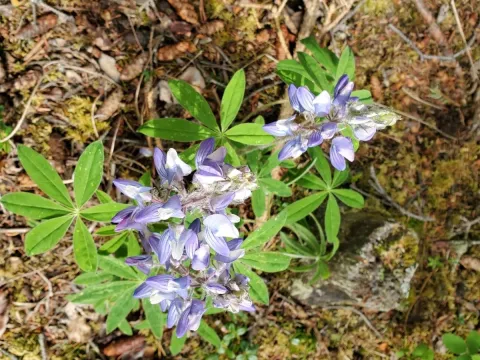
Arctic lupine
Lupinus arcticus
The arctic lupine (Lupinus arcticus) is a herbaceous perennial plant belonging to the Fabaceae family. Native to the arctic and alpine regions of North America, it is highly prized for its exceptional ability to withstand extreme cold and nutrient-poor soils.
What the section contains
Arctic lupine
The plant features palmately compound leaves with a characteristic pubescence, which provides protection against moisture loss and helps the plant maintain thermal stability in harsh, windy environments.
Successful cultivation requires well-drained soils, ideally of a sandy or light loamy texture. Lupinus arcticus thrives in sites that receive full sunlight, as it is intolerant to shaded conditions and stagnant water, which can trigger fungal diseases.
One of the most important biological features is the plant's symbiotic relationship with nitrogen-fixing bacteria. This allows the arctic lupine to colonize disturbed or degraded lands, effectively serving as a pioneer species for soil restoration.
In agricultural practice, it is often utilized as a forage crop or for reclamation purposes. Its deep root system stabilizes the soil, prevents erosion, and increases the organic matter content in cold climate regions.
Like many species in the Lupinus genus, the arctic lupine is susceptible to fungal infections such as anthracnose and various types of root rot, especially when grown in overly moist or poorly drained conditions.
Pests such as seed-eating weevils and aphids can cause significant damage to reproductive structures and developing leaves. Integrated pest management strategies are necessary to protect the yield of the crop.
Proper crop rotation is essential to mitigate soil-borne diseases. Avoiding repeated planting of legumes on the same site for several years reduces the buildup of specific pathogens and pests in the topsoil.
Early-season weed control is crucial, as the slow initial growth rate of the arctic lupine makes it vulnerable to competition from faster-growing invasive species.
Monitoring for signs of leaf spot or wilting is recommended throughout the growing season, with prompt removal of infected plants to prevent the further spread of disease across the field.