
Argyrolobium
Argyrolobium
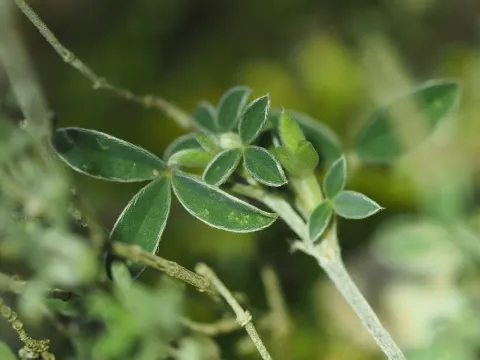
Argyrolobium is a genus of flowering plants in the legume family (Fabaceae), comprising numerous species of herbs and small shrubs.
What the section contains


Argyrolobium
Sowing should be performed when the soil has sufficiently warmed, as this promotes rapid germination and establishment of the young seedlings.
Seed scarification is highly recommended before planting to break physical dormancy and improve the overall field germination rate.
Seeds are typically sown at a shallow depth of 1–2 centimeters, ensuring they remain in contact with soil moisture without being buried too deeply.
Proper plant spacing is essential to ensure that the developing plants have sufficient room for root expansion and nitrogen-fixing activity.
These plants are highly adapted to arid and semi-arid environments, displaying significant resilience to extended periods of drought.
Argyrolobium thrives in light, well-drained soils, preferring sandy or loamy textures with a neutral to slightly alkaline pH level.
Waterlogging is extremely detrimental to the development of this crop, so avoiding low-lying or poorly drained areas is critical for success.
High levels of solar radiation are necessary for the plant to maximize its photosynthetic potential and maintain vigorous vegetative growth.
As a legume, it supports soil health through symbiotic nitrogen fixation, making it a valuable candidate for inclusion in sustainable crop rotations.
The primary agricultural utility of Argyrolobium is as a high-protein forage source for grazing livestock or as a component of hay.
Yield production is inherently linked to seasonal precipitation patterns, though the plant demonstrates notable stability during drier cycles.
Consistent management practices, such as controlled grazing or timely mowing, encourage plant longevity and sustained biomass production.
The nutritional value of the biomass remains high throughout the vegetative phase, making it a reliable feed source for small ruminants.
Productivity typically peaks once the root system has become fully established, usually by the second or third year of the plant's life cycle.
Root rot pathogens are a primary concern, particularly in instances where soil drainage is inadequate or moisture levels are excessively high.
Common pests affecting legumes, including aphids and various weevils, can negatively impact foliage health and overall plant vigor.
Integrated pest management strategies, including careful monitoring and appropriate crop rotation, are essential for maintaining healthy stands.
Weed competition during the initial growth phase can significantly suppress Argyrolobium seedlings, necessitating effective weed control measures.
Fungal leaf diseases may appear under conditions of prolonged high humidity, requiring adequate air circulation within the crop canopy.
Forage harvesting should coincide with the full flowering stage to capture the best balance of protein content and total digestible dry matter.
Proper hay-making techniques, including gentle windrowing, are crucial to prevent the loss of protein-rich leaves during the drying process.
When harvesting for seed, timing is critical as the pods tend to shatter upon maturity, which can result in significant field losses.
Using appropriate harvesting equipment helps preserve the crown of the plant, ensuring that it can recover and regrow in subsequent seasons.
Post-harvest residues contribute to the soil organic matter pool, further supporting the long-term fertility and structure of the agricultural land.