
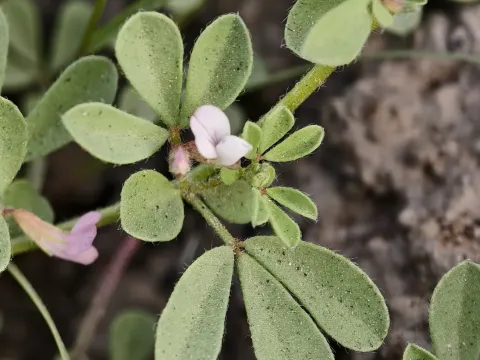
Lotus glinoides
Lotus glinoides
Lotus glinoides is a member of the Fabaceae family, prized for its ability to fix atmospheric nitrogen and improve soil fertility. Planting is typically scheduled for early spring, once soil temperatures are sufficient to support rapid seed germination and emergence.
What the section contains
Lotus glinoides
Proper seed preparation is essential, including scarification to improve uniformity of germination, as seeds may have hard coats. Planting depth should be maintained at approximately 1 to 2 centimeters to ensure the seedlings can reach the surface without exhausting their reserves.
The recommended seeding rate varies based on local conditions and the desired density of the sward, usually ranging between 8 and 12 kilograms per hectare. Row sowing is preferred for seed production to facilitate maintenance and weed management.
Integrating Lotus glinoides into pasture mixtures with various grasses creates a stable and nutritious forage source. This combination leverages the strengths of both legumes and grasses, ensuring a more resilient ecosystem for livestock.
Post-seeding, field rolling is a critical step to ensure optimal soil-to-seed contact. This practice enhances moisture retention around the seed, which is vital for successful establishment in arid environments where this plant thrives.
Originating from arid and semi-arid regions, Lotus glinoides is highly adapted to water-stressed environments. Its deep root system allows it to persist and maintain productivity even during prolonged dry spells.
This crop prefers well-drained soil structures, including sandy and loamy types. It is notable for its ability to tolerate alkaline and slightly saline soil conditions, making it suitable for cultivating on marginal lands.
Lotus glinoides requires full exposure to sunlight for vigorous growth. Shade tolerance is low, and performance significantly declines if the plants are crowded or overshadowed by taller vegetation.
The plant exhibits high thermal tolerance, thriving in hot summer temperatures. It also displays remarkable recovery capabilities following mild winter frosts, with regrowth occurring quickly during the following spring season.
Optimizing fertility through phosphorus application is often beneficial, as it stimulates root proliferation. Maintaining adequate soil potassium levels also aids in the overall stress tolerance and longevity of the plant stand.
Fungal diseases, including various leaf spots and powdery mildew, represent the primary pathology risks, especially when humidity levels remain high for extended periods. Good site selection and proper spacing are vital preventive measures.
Insect pests such as weevils pose a significant threat by damaging both foliage and reproductive structures. Infestations can lead to reduced biomass yields and negatively affect the quality of the seed crop.
Aphids can colonize young shoots, leading to stunted development and plant deformity. Regular monitoring of the field is necessary to identify early outbreaks and implement effective management strategies promptly.
Weed competition is a critical challenge during the establishment phase due to the plant's relatively slow initial growth. Manual or mechanical weed control during the first weeks is essential to ensure the crop establishes successfully.
Root rot caused by prolonged waterlogging is a frequent issue in poorly drained fields. Consequently, avoiding low-lying areas or heavy, impermeable soils is crucial to maintaining a healthy and productive population of the crop.