
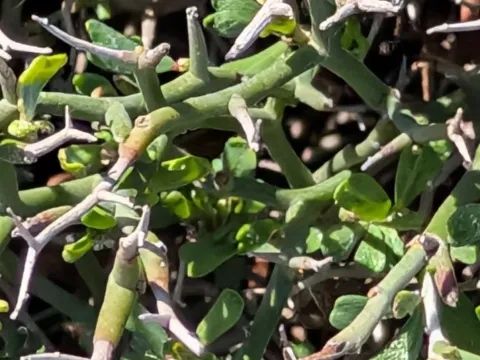
Lotus fulgurans
Lotus fulgurans
Lotus fulgurans is a perennial legume species valued for its resilience and high nutritional quality in agricultural pasture systems and hay production.
What the section contains
Lotus fulgurans
Sowing should ideally occur in early spring when the soil temperature consistently reaches about 8 to 10 degrees Celsius to ensure vigorous germination.
Given the small size of the seeds, they should be shallowly drilled or broadcast onto a prepared seedbed at a depth not exceeding 1.5 centimeters.
Light soil compaction after sowing is highly recommended to improve soil-to-seed contact, which is vital for moisture uptake in drier spring conditions.
The seeding rate typically ranges from 10 to 14 kg per hectare, depending on whether it is sown as a pure stand or in a seed mixture with grasses.
This crop thrives in well-drained soils, showing a preference for loam or sandy loam textures with a pH range between 6.0 and 7.5 for optimal performance.
It is moderately drought-tolerant compared to other legumes, allowing it to maintain growth during temporary water shortages thanks to deep root penetration.
Lotus fulgurans is a light-demanding crop and should not be planted in shaded areas or under dense cover crops that might compete for sunlight.
The plant exhibits excellent cold tolerance, making it suitable for regions that experience significant seasonal temperature fluctuations and occasional frost.
Proper soil management, including adequate phosphorus and potassium fertilization, is necessary to support the nitrogen-fixing bacteria residing in root nodules.
Under favorable growing conditions and good management, dry matter yields can range from 6 to 10 tonnes per hectare annually, spread over several cuts.
The forage provides a high protein content, making it an excellent component for balancing livestock diets, particularly for ruminant production systems.
Regrowth capacity is high, allowing for multiple harvests within a single growing season if the soil moisture levels are maintained throughout the period.
Seed yield varies depending on the success of pollination, which is typically managed by introducing local pollinator populations to the field area.
The longevity of the stand is a significant economic benefit, as a well-established crop can persist and remain productive for many consecutive years.
Fungal diseases such as leaf spot can impact foliage quality if the humidity remains excessively high, requiring proper spacing for air circulation.
Weed management during the establishment phase is critical, as the crop is initially slow-growing and can be outcompeted by aggressive annual weeds.
Pests like aphids and certain beetle species may target young stems, potentially reducing the overall vigor of the plant during peak growth months.
Integrated pest management strategies are recommended, focusing on maintaining strong, healthy plants that can withstand low levels of insect pressure.
Avoiding waterlogged soil conditions is the primary preventive measure against root rot, which is one of the most serious threats to the crop's persistence.
The optimal harvest window is at the early-to-mid flowering stage to balance the total biomass yield with the nutritional concentration of the forage.
Mowing height should be maintained at roughly 5 to 8 centimeters to protect the plant's basal buds and encourage rapid recovery of the regrowth.
Field curing of the hay should be done carefully to preserve leaves, which contain the highest concentration of protein and beneficial nutrients.
For seed production, the crop should be swathed when the seed pods have turned brown to minimize losses caused by shattering in the field.
Post-harvest management includes ensuring that the plant has enough time to recover and store carbohydrates before the onset of winter dormancy.