
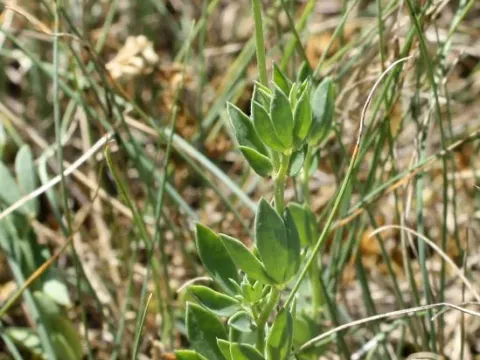
Lotus elisabethae
Lotus elisabethae
Lotus elisabethae is typically sown in early spring when the soil temperature consistently reaches favorable levels for germination and early seedling development.
What the section contains
Lotus elisabethae
The sowing depth is crucial for this species; keeping it within 1–2 centimeters ensures that the small seeds do not deplete their energy reserves before reaching the surface.
Soil preparation should involve achieving a firm and fine seedbed to maintain moisture contact, which is essential given the slow initial growth rate of the seedlings.
Row spacing should be calibrated to minimize inter-row weed competition, allowing the plants to establish a strong root system before the canopy closes.
Inoculation with specific rhizobial bacteria is recommended to maximize the nitrogen-fixing potential, which significantly benefits the subsequent growth of the crop.
As a member of the Fabaceae family, Lotus elisabethae thrives in a variety of environments, displaying notable resilience to suboptimal soil conditions.
The plant demonstrates excellent drought tolerance, allowing it to maintain productivity even in regions with irregular precipitation patterns or poor water retention.
Well-drained soils are essential to prevent root zone saturation, as the plant prefers aerobic conditions to maintain its symbiotic nitrogen-fixation activity.
Exposure to full sunlight is required for biomass accumulation, making this species a poor candidate for shaded areas within agricultural systems.
The nutritional requirements of this legume are balanced, with a specific focus on phosphorus and potassium to support vigorous flowering and reproductive growth.
Common pests affecting this culture include various types of weevils and aphids that specifically target the tender foliage and developing seed pods.
Fungal pathogens such as powdery mildew may appear during humid seasons, requiring careful observation to prevent widespread infection of the field.
Integrated pest management strategies are advised, focusing on crop rotation and the introduction of natural predators to suppress pest populations.
Maintaining proper field hygiene, including the removal of infected plant debris, is a key component in controlling the spread of persistent soil-borne diseases.
Monitoring the plant density is vital; excessive density can create a microclimate that encourages the rapid spread of fungal spores among the lower leaves.