
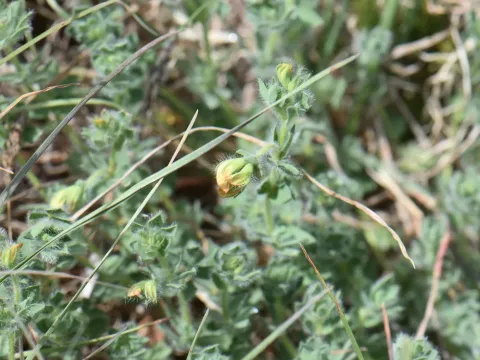
Lotus delortii
Lotus delortii
Planting Lotus delortii requires careful soil preparation to create a fine and firm seedbed. Seeds are small, so precise depth control during sowing is essential to ensure uniform germination and strong establishment.
What the section contains
Lotus delortii
The ideal time for sowing is during the early spring when the soil starts to warm up, allowing the plants to develop before the heat of summer. Depending on the local climate, autumn sowing is possible in regions with mild winters.
Seeding rates should be adjusted based on the intended use of the crop, whether for pasture, hay production, or soil conservation. Standard rates ensure a dense stand that can effectively compete with weeds during the early growing stages.
Once planted, rolling the soil can improve seed-to-soil contact, which is vital for moisture uptake in dry conditions. Ensuring proper contact significantly increases the success rate of the stand establishment.
Lotus delortii is frequently used in seed mixtures with perennial grasses. This combination improves the nutritional quality of the forage while maintaining the structural integrity of the meadow over multiple seasons.
As a member of the Fabaceae family, Lotus delortii is a hardy perennial legume known for its excellent adaptability. It thrives in various environmental conditions, making it a reliable choice for diverse landscapes.
The plant demonstrates high tolerance for soil types, including sandy, loamy, and even acidic soils where other species might fail. Its deep root system allows it to reach water and nutrients inaccessible to shallower-rooted plants.
Climate adaptability is one of its primary strengths, as it exhibits good resistance to both drought and cold. These characteristics make it suitable for a wide range of agricultural zones, providing consistent forage yields.
Proper nitrogen fixation is facilitated by symbiotic rhizobia bacteria present in the root nodules. For new cultivation areas, using specialized inoculants can maximize the nitrogen-fixing potential and biomass production of the plant.
Abundant sunlight is preferred for optimal growth. While the plant can tolerate partial shade, its productivity is highest when grown in open, well-lit areas with sufficient space for root and shoot expansion.
Root rot is the most common concern when the crop is grown in waterlogged or poorly drained soils. Improving site drainage is the primary method for preventing fungal outbreaks in sensitive stands.
Insects like weevils can cause damage by feeding on foliage or developing seeds. Regular monitoring throughout the growing season helps in identifying pest pressure early, allowing for targeted and efficient management strategies.
Leaf spots caused by various pathogens may occur during prolonged humid or wet periods. Maintaining proper plant spacing and ensuring good airflow within the canopy are effective cultural methods to mitigate these issues.
Effective weed management is critical during the establishment year. Once the stand is fully developed, its competitive nature allows it to suppress most annual weeds effectively without the need for intensive intervention.
Balanced fertilization, particularly with potassium and phosphorus, supports the plant's natural defense systems. Strong, well-nourished plants are significantly more resistant to both biotic and abiotic stresses over their lifespan.