
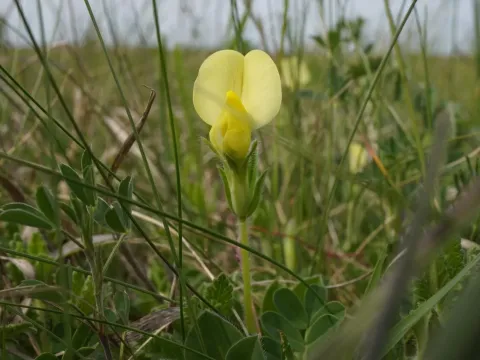
Lotus maritimus
Lotus maritimus
Sowing of Lotus maritimus should take place in the spring, typically when soil temperatures reach 8–10 degrees Celsius. In temperate climates, the ideal window is the second half of April, ensuring the seeds take advantage of residual winter moisture.
What the section contains
Lotus maritimus
Due to the hard seed coat, mechanical scarification is recommended before sowing to improve germination rates significantly. Seeds should be planted at a depth of 1.5 to 2 centimeters to provide the necessary contact with the soil for successful sprouting.
A row-seeding method with intervals of 15–20 centimeters is optimal, as it allows for uniform plant distribution and adequate sunlight penetration to the leaf canopy during the critical early development stages.
Compacting the soil after sowing is a vital step to encourage capillary action, which draws moisture from deeper soil layers. This practice is particularly important if dry weather persists following the planting period.
The seeding rate typically ranges from 10 to 15 kilograms per hectare, depending on soil fertility and seed quality. Proper calibration of seeding equipment ensures a uniform density, preventing over-competition between plants.
Lotus maritimus, a member of the Fabaceae family, is a resilient perennial capable of thriving in a wide variety of soil types. It performs best in loamy or sandy-loam soils but exhibits remarkable tolerance for saline and alkaline conditions.
This crop is highly adaptable to diverse climatic conditions, demonstrating significant resilience against seasonal drought and temperature fluctuations. Such traits make it an excellent candidate for revitalizing marginal land.
As a light-loving plant, it requires full sun exposure to reach its maximum vegetative growth potential. Shaded environments should be avoided, as they significantly inhibit the plant's ability to form dense foliage and build root reserves.
A key biological advantage of this legume is its ability to fix atmospheric nitrogen through symbiosis with root-nodule bacteria. This significantly reduces the need for nitrogenous fertilizer applications, promoting more sustainable agricultural practices.
The crop is highly winter-hardy and can withstand freezing temperatures effectively. During the initial growth stages, it is essential to ensure minimal weed competition, allowing the plant to establish a robust and permanent root system.
The productivity of Lotus maritimus depends on a well-managed agronomic cycle and the maturity of the stand. When properly established, it can provide reliable forage yields for many years.
Yields of green biomass typically range from 150 to 250 decitonnes per hectare per season. Depending on the climate, two cuts per year are usually optimal for maximizing biomass output while maintaining plant vigor.
Maximum yield potential is typically achieved by the third year, when the plant has fully developed its structural capacity and density. Consistent management, including nutrient support, helps maintain high productivity for 5 to 7 years.
The quality of the harvested biomass is high, characterized by a significant protein content, making it a valuable feed source for livestock such as cattle and sheep during the winter months.
Beyond its feed value, the crop contributes to soil health. Its deep root system improves soil structure, while the biomass left after harvest serves as a high-quality organic amendment that increases long-term soil fertility.
The primary threats to this crop are fungal diseases, which often occur in waterlogged conditions or poorly drained fields. Root rot is the most common issue in areas where excess moisture persists following rainfall.
Weevils represent the most significant insect threat, particularly for young seedlings. These pests feed on leaf tissue, potentially stunting growth, so early-season scouting and timely intervention are highly recommended.
Aphids may occasionally infest the plants during hot and dry spells, sucking sap from the stems and reducing overall plant vitality. Biological control methods are often sufficient to manage these populations without the need for harsh chemicals.
Effective crop rotation remains the best preventative measure against pest and disease buildup. Maintaining clear field edges and ensuring good airflow through the canopy further reduces the likelihood of pathogen development.
Using certified, fungicide-treated seeds serves as the first line of defense against soil-borne pathogens. An integrated pest management approach ensures that yields remain high while minimizing environmental impact.
The timing of the harvest is critical and should ideally coincide with the early flowering phase. This timing provides the optimal balance between high biomass volume and maximum nutritional value.
Mechanical harvesting should be performed at a stubble height of 5–7 centimeters. This height protects the plant's crown, facilitating rapid regrowth and ensuring that subsequent cuts remain productive throughout the growing season.
After mowing, the forage should be left in windrows for field curing. Once the moisture level drops to the ideal 15–17% range, the material is ready for baling and long-term storage in well-ventilated barns.
For seed production, the harvest must be delayed until the pods reach full physiological maturity. It is crucial to monitor the pods closely to harvest before they dry out and shatter, which could lead to significant seed loss.
Post-harvest seed processing includes cleaning, grading, and drying to a safe moisture content. Storing seeds in a cool, dry environment ensures high germination energy is retained for future planting seasons.